Training for Your Menstrual Cycle: Evidence, Trend, or Something In-Between
In recent years, social media has exploded with infographics, colour-coded calendars, and promises regarding the menstrual cycle, and that “cycle syncing” your workouts will unlock new strength and better performance. As a sports therapist, I often wonder what I can do to help my own performance and wellbeing, but also my patients who have similar questions.
The reason this is still such a debate is mainly due to the fact that women’s health does not have enough research. The statistics don’t lie, in 2022, when comparing male and female research within sports nutrition, only 23% of participants were women, additionally a report from 2021-2023 found only 7.15% of studies were female-only. A large scientific reason as to the lack of research in women’s health is due to the complexity of studying the menstrual cycle, between different cycle lengths and different symptoms; it can be extremely hard to measure accurately.
Please note in this blog post I will discuss a “normal menstrual cycle”, so when females first get their period and prior to going through menopause. Disclaimer: I will be referring to females defined as sex assigned at birth not just gender throughout this blog.
A quick overview of your menstrual cycle:
Your menstrual cycle is usually 21-35 days long (the average is about 28 days). Everyone is different and that’s completely normal. Below is a simple breakdown of each phase.
| Phase | Typical Days | Common Symptoms | What’s Happening in the Body | |
| Menstrual | 1-5 | Cramps, low energy, bloating, mood dips | Hormones (oestrogen & progesterone) lowest; uterus sheds lining → period | |
| Follicular | 1-14 (overlaps with period early on) | Rising energy, clearer mood, improving motivation | Oestrogen increases → boosts recovery, mood, and potential strength | |
| Ovulation | ~14 | Possible bloating, breast tenderness, pelvic twinge; some feel powerful | Egg released; oestrogen peaks; brief LH surge | |
| Luteal | 15-28 | PMS: bloating, fatigue, cravings, irritability; sleep changes | Progesterone rises → higher body temp & possible increased fatigue |
What if my menstrual cycle doesn’t follow this? Normal also means your cycle may change a bit month-to-month. Stress, sleep, travel, training load, illness, and nutrition can all affect it.
When to seek advice
Speak to a GP or women’s health specialist if you have:
- Very heavy bleeding (needing to change heavy flow tampons or pads every 1–2 hours)
- Severe period pain
- Cycles <21 or >35 days
- Missing periods for 3 months
- Painful sex, bowel or bladder pain
- Extreme PMS or mood symptoms
These may be linked to conditions such as endometriosis, PCOS, PMDD, dysmenorrhoea, or RED-S.
An example of ways you can optimise training for your menstrual cycle:
These are ideas, not a rule book. You can try some of these tips if you struggle with motivation or symptoms throughout your cycle.
During the menstrual phase (days 1-5), training should focus on light movement such as walking, mobility or yoga, gentle cycling, and light strength work at an RPE of around 4-6. Using heat can help manage cramps, longer warm-ups are beneficial, and it’s important to allow extra rest and choose comfortable, low-impact sessions.
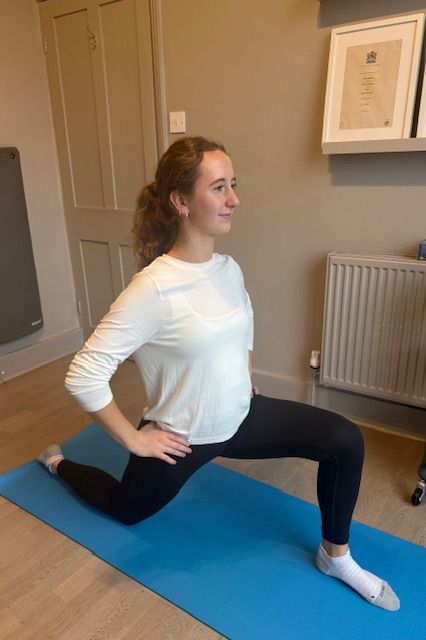
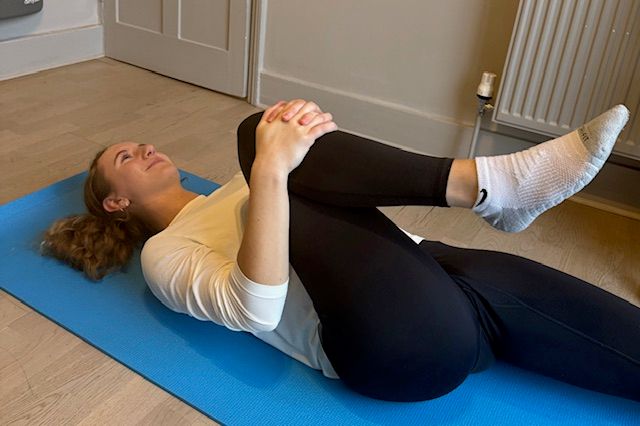

In the early to mid follicular phase (approximately days 1-10), this is a good building phase for training, with a focus on strength work targeting technique and hypertrophy alongside moderate to high-intensity cardio. This period is well suited for progression, supported by adequate protein and carbohydrate intake.
During the late follicular phase leading into pre-ovulation (days 10-14), the body is well primed for high-intensity work. Heavy strength training, power sessions, interval training, and sprint work are ideal during this time. It’s a great window for performance-focused training, but prioritising recovery and sleep remains important.
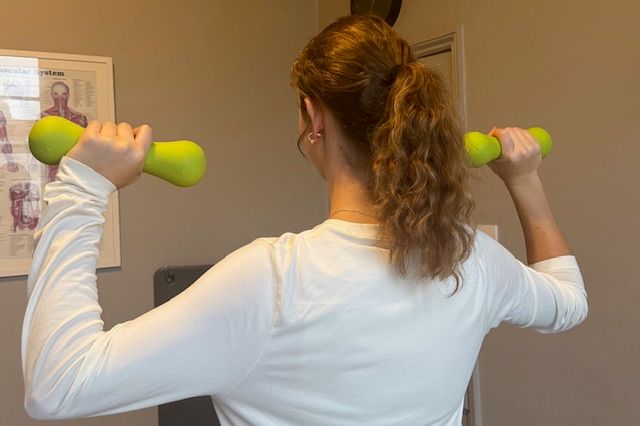
Around ovulation (roughly day 14), power and speed work or steady strength sessions are well tolerated. Paying attention to hydration is key, and longer warm-ups may help improve joint and muscle readiness.
In the early luteal phase (days 15-21), training should shift toward moderate intensity, focusing on strength maintenance, steady-state or tempo cardio, and circuit-style sessions. Consistency is important during this phase, along with maintaining routine and staying well hydrated.
During the late luteal or PMS phase (days 22-28), lower-load training is often more suitable. This includes technique-focused work, lighter weights, mobility training, and low-impact cardio. Shorter sessions may feel more manageable, and an increased emphasis on recovery can be especially beneficial.
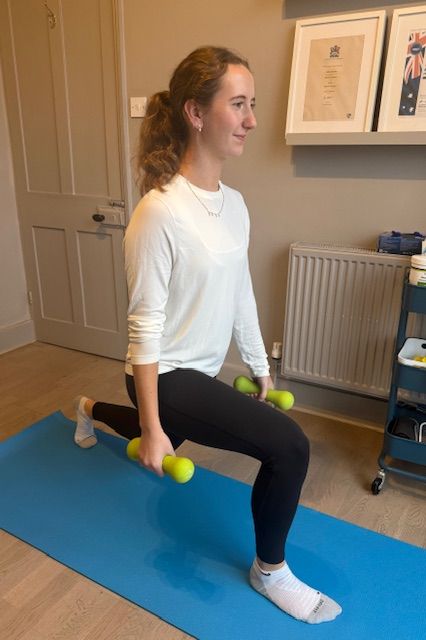
If you notice that this doesn’t correlate with how you feel or what you enjoy to do during your cycle, that is okay! This is just a rough guide that you can use as inspiration if you are struggling with symptoms and planning a routine.
Injury considerations:
A common symptom females who menstruate present with is back pain during the menstrual phase, this happens due to hormonal changes that are affecting muscles and your pain responses. It is also due to other symptoms such as cramps.
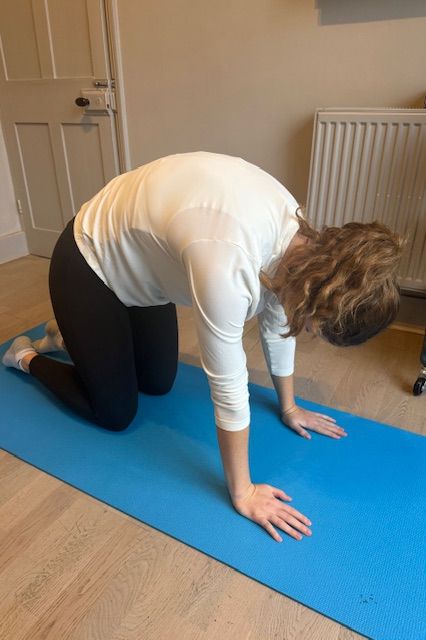
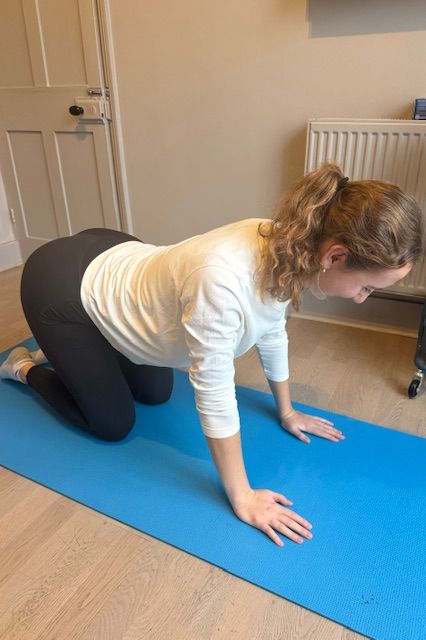
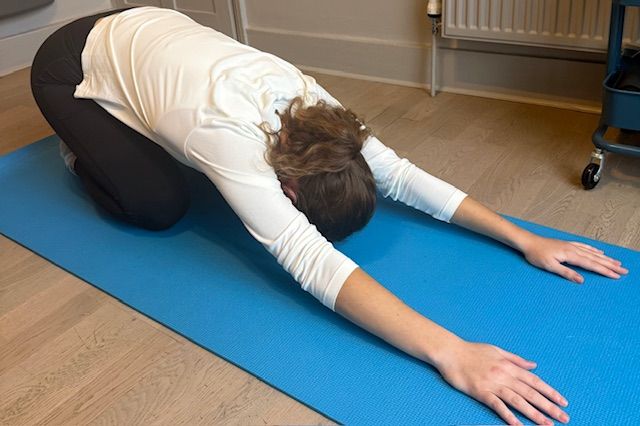
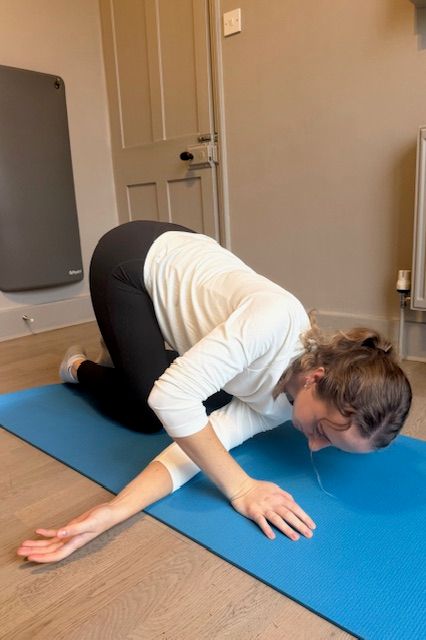
Here are some gentle exercises you can use to relieve back pain and cramps:
Cat cow
Childs pose
Thread the needle
Final Message + Top tips
- Every person’s cycle is different. There is no “perfect” cycle, only your normal pattern.
- Tracking your symptoms, not just the days is the best way to understand what your body needs throughout the month.
- There is no perfect way of training for your cycle, every body is different and we all experience our symptoms in our own ways.
- Train for your body and mind, there is a lot of mixed information on social media that can get very confusing. You can use some of these tools for information if you are interested but do what feels best for you!
- If you need any support from injury management and prevention, nutrition, recovery or rehabilitation please get in contact and we will do our best at the clinic to support you.