Miles without the Misery: How to deal with “Runner’s Knee”
Runner’s knee can sneak up on anyone – from those picking up their shoes to seasoned runners tackling some serious mileage. That dull ache around the kneecap often starts small, but if ignored, it can quickly derail your training and motivation. The good news is that this is manageable. With the right approach, you can reduce pain, address the root causes, and get back to running stronger and smarter than before.
What is Patellofemoral Pain Syndrome (PFPS)?
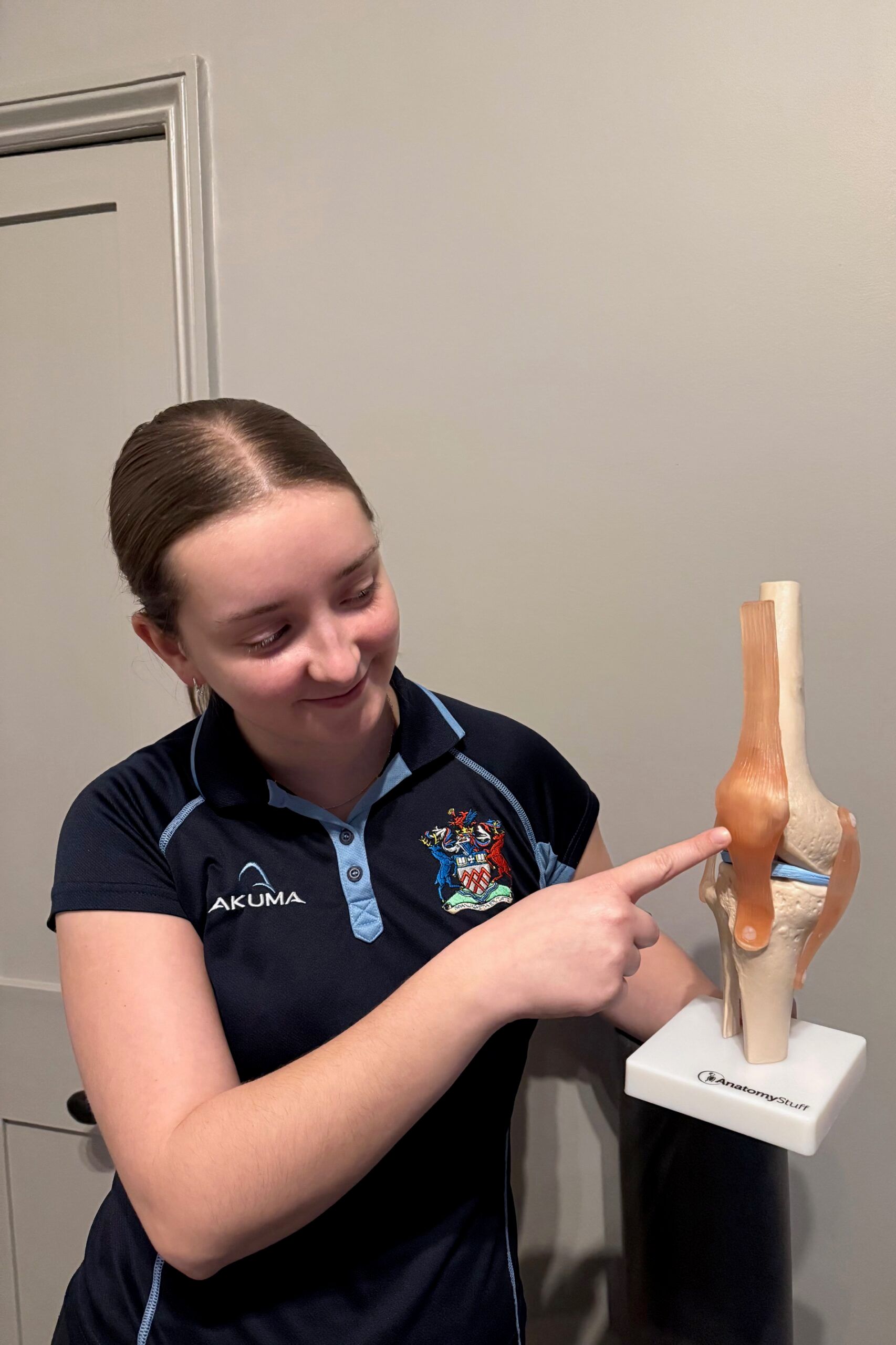
Patellofemoral Pain Syndrome (PFPS), also known as Runner’s Knee, is a common condition which causes a dull pain either at the front of the knee, around or behind the patella (kneecap).
PFPS can be caused by a combination of several factors. For example, overuse and overload of the patellofemoral joint, anatomical or biomechanical abnormalities, and muscular weakness, imbalance, or dysfunction. All of these factors can play their part in affecting how the patella tracks.
The patella is a bone that sits at the front of the knee and connects to the quadriceps muscle. This allows movements like flexion and extension at the knee. In normal circumstances with the help of the surrounding muscles and tendons, the patella can glide centrally up and down evenly throughout the knee joint. However, if the mechanics of the leg change, such as a weakness in the quadriceps or tightness in the surrounding leg muscles, it can cause the patella to track off centre. This is what will cause the pain and irritation felt whilst running!
So how do we combat this?
– Reduce the load placed on the patella and surrounding tissues and allow the
knee joint to rest until inflammation has settled.
– Identify what is causing the issue.
– Rehabilitation and strengthening to deal with the cause of the problem.
– Gradually reload the joint, building up your running week by week.
What are the main symptoms?
- A dull pain at the front of the knee, around or behind the patella.
- Difficulty with stairs
- Pain with kneeling and squatting
- Pain with sitting for long periods of time with bent knees
- Swelling around the knee joint
- Potential grinding / clicking sensation when flexing the knee
What can be done to stop this?
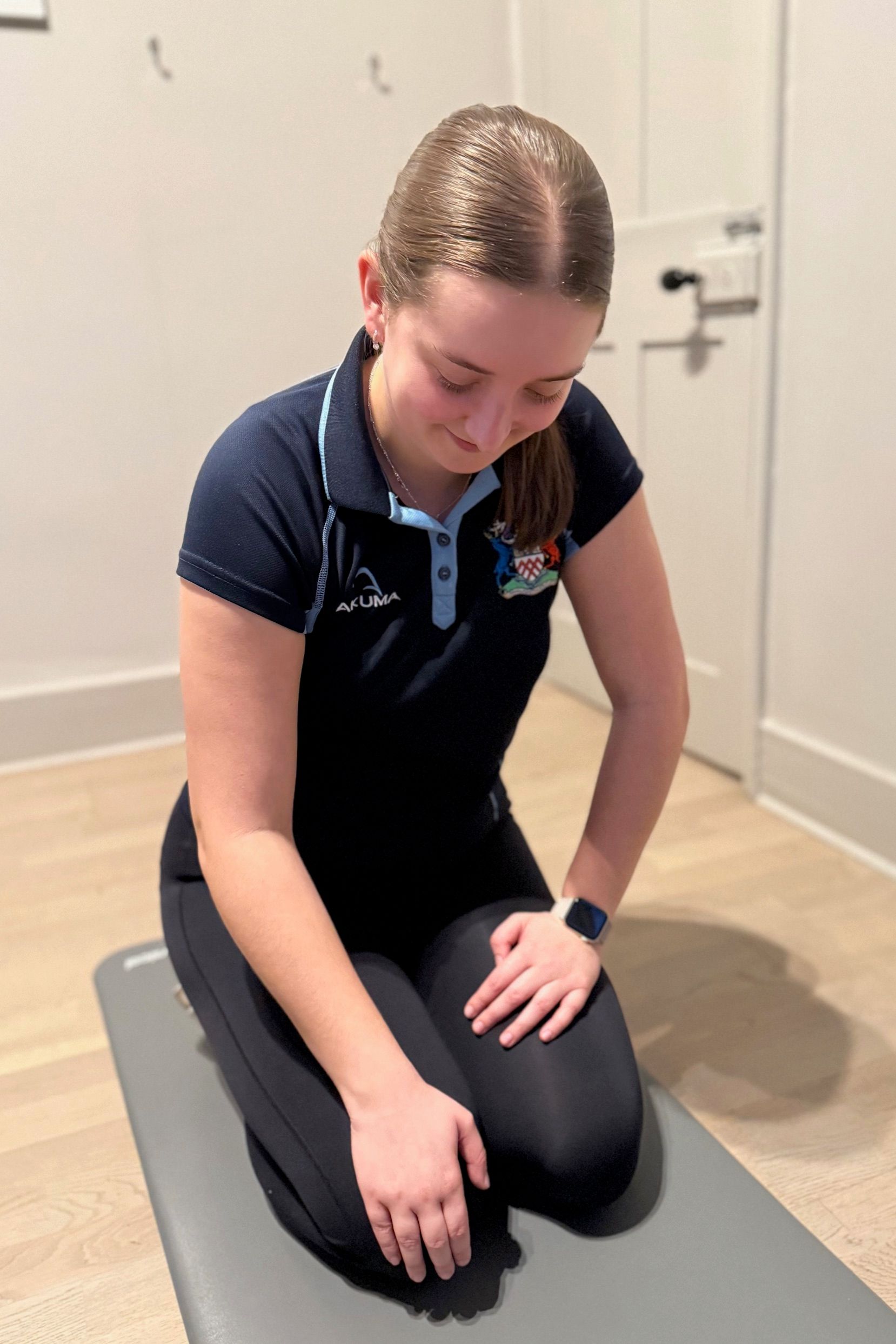
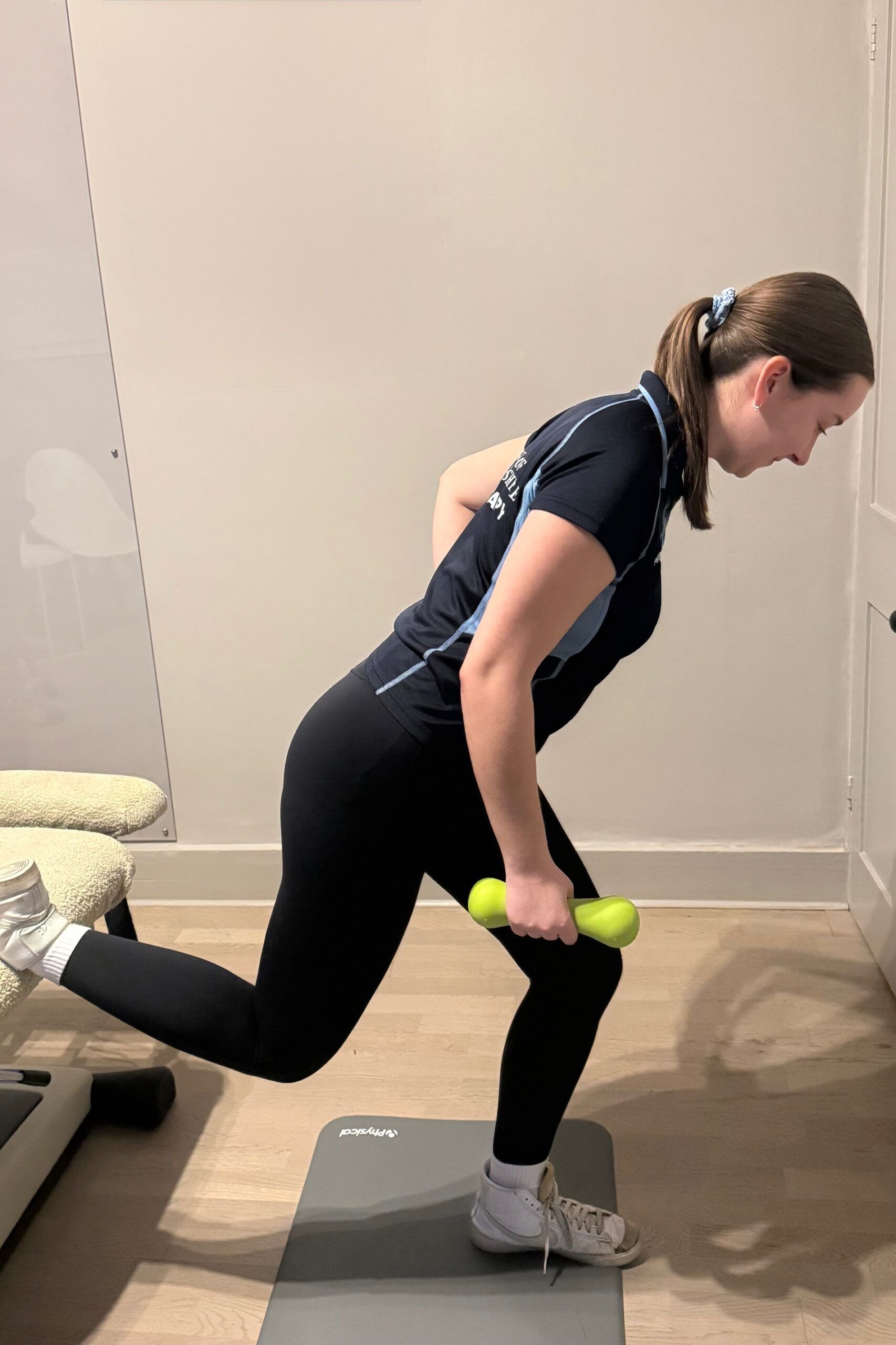
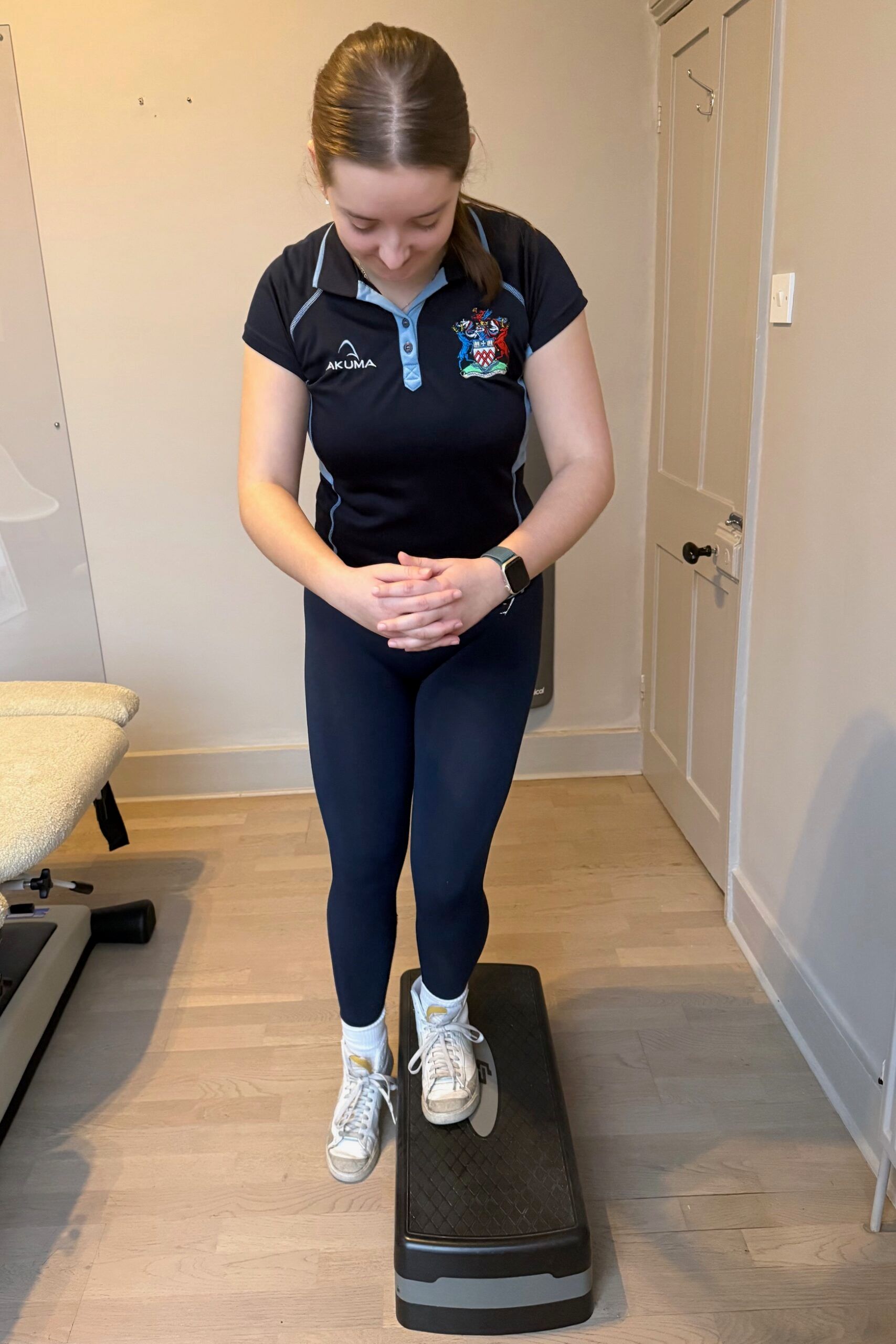
Since the knee is a pretty important part of your running gait, it is really important to look after it and give it all the strength that it requires for running. By strengthening the soft tissue muscles around the joint, such as the quadriceps, hamstrings, calves and even glutes, we are able to provide more stability and protection for the knee. The bulk of evidence out there supports the use of exercise therapy to improve pain and function in the short, medium, and long term. Below are some exercises that help you target those soft tissue muscles!
-
Split Squats
-
Lateral Step Downs
-
Single Leg RDL
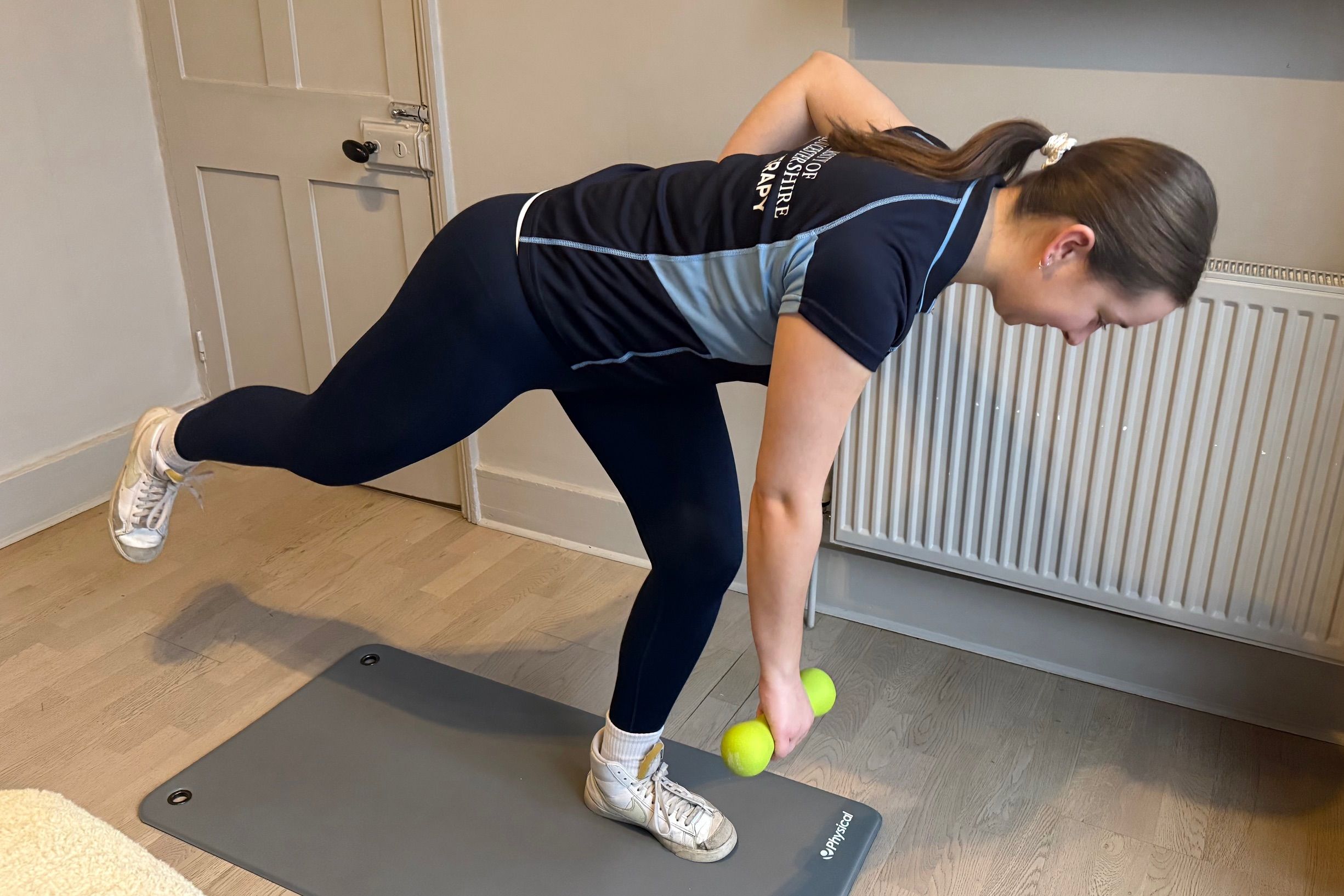
-
Single Leg Glute Bridge
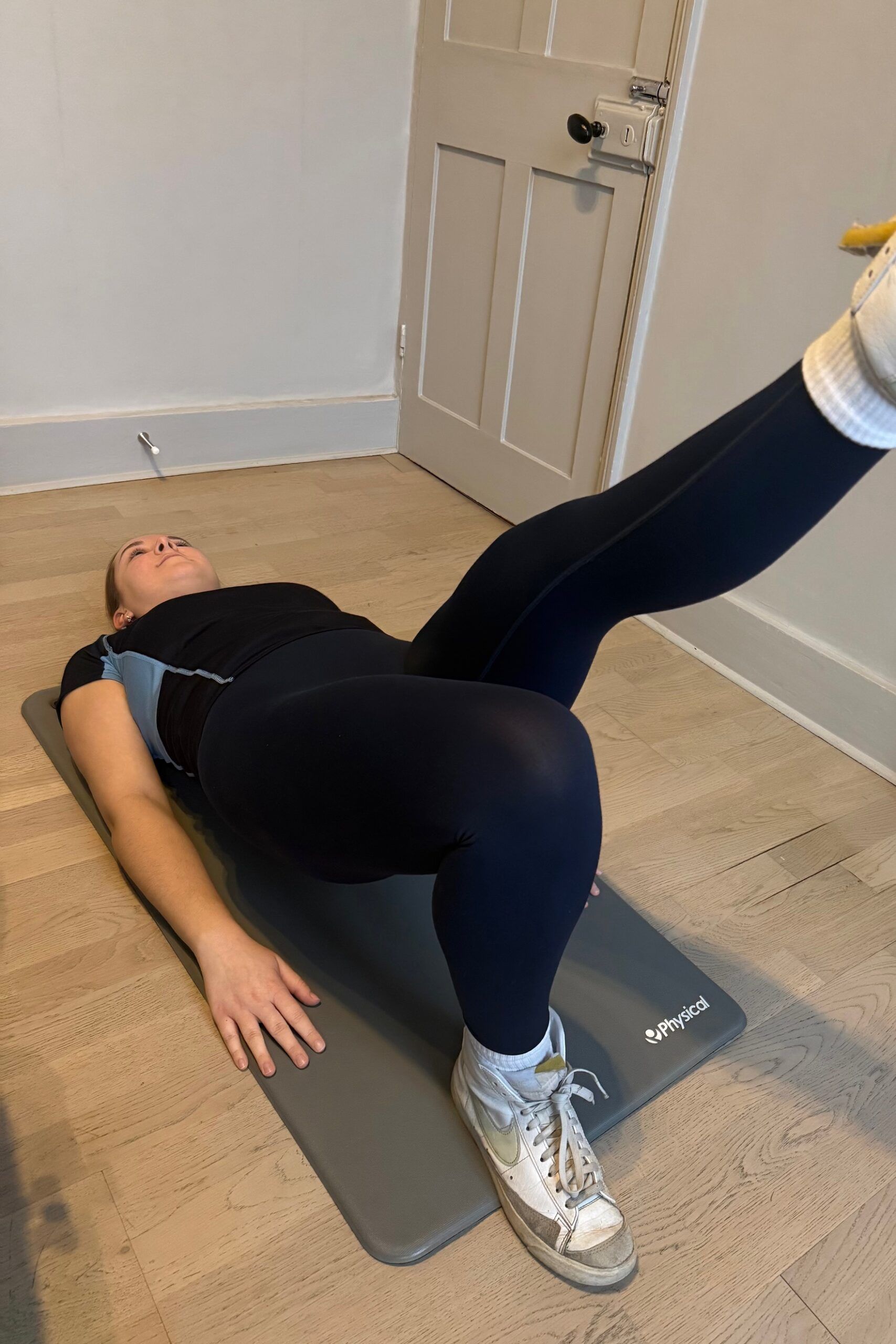
-
Side Lying Hip Abductions
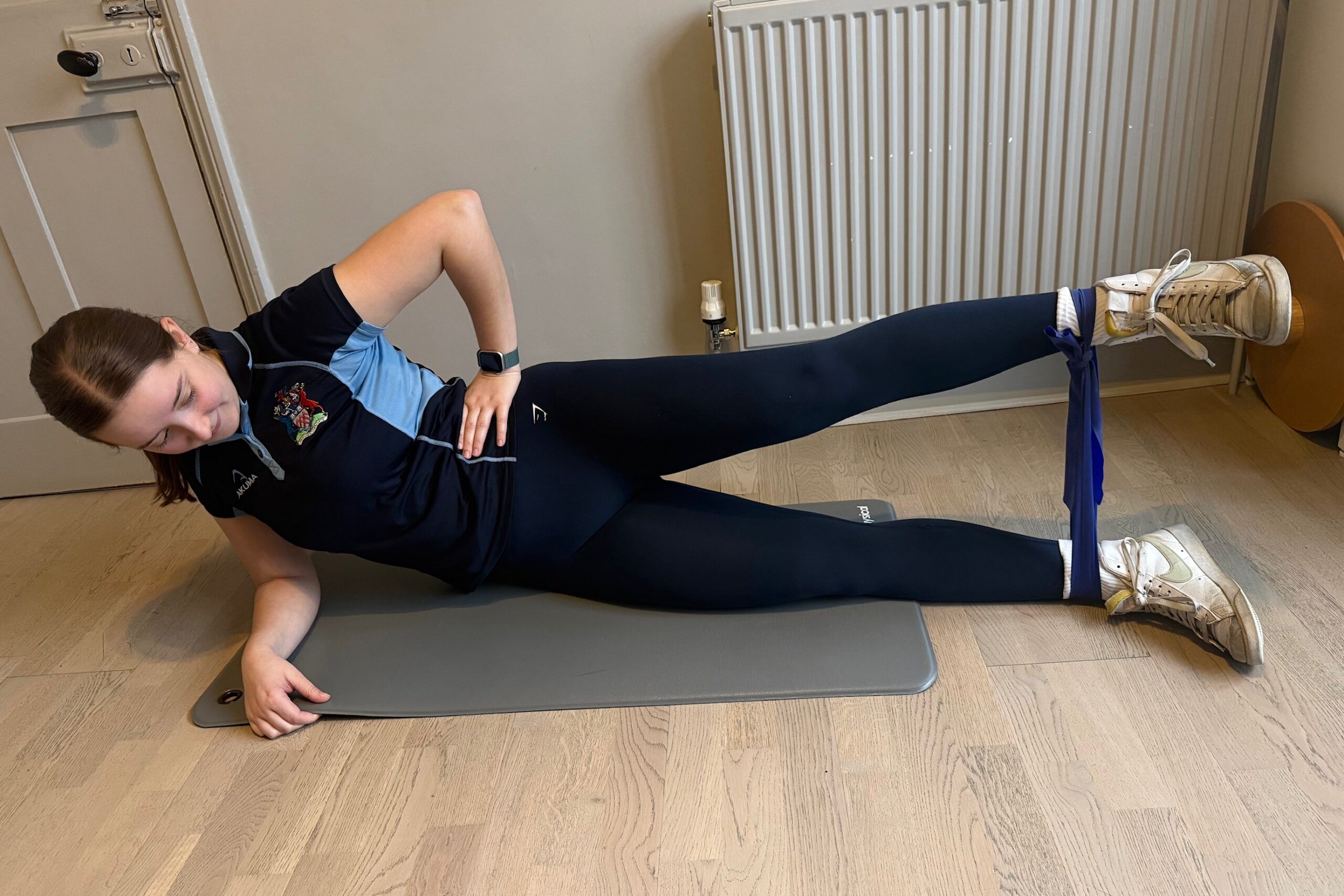
-
Isometric Wall Squats
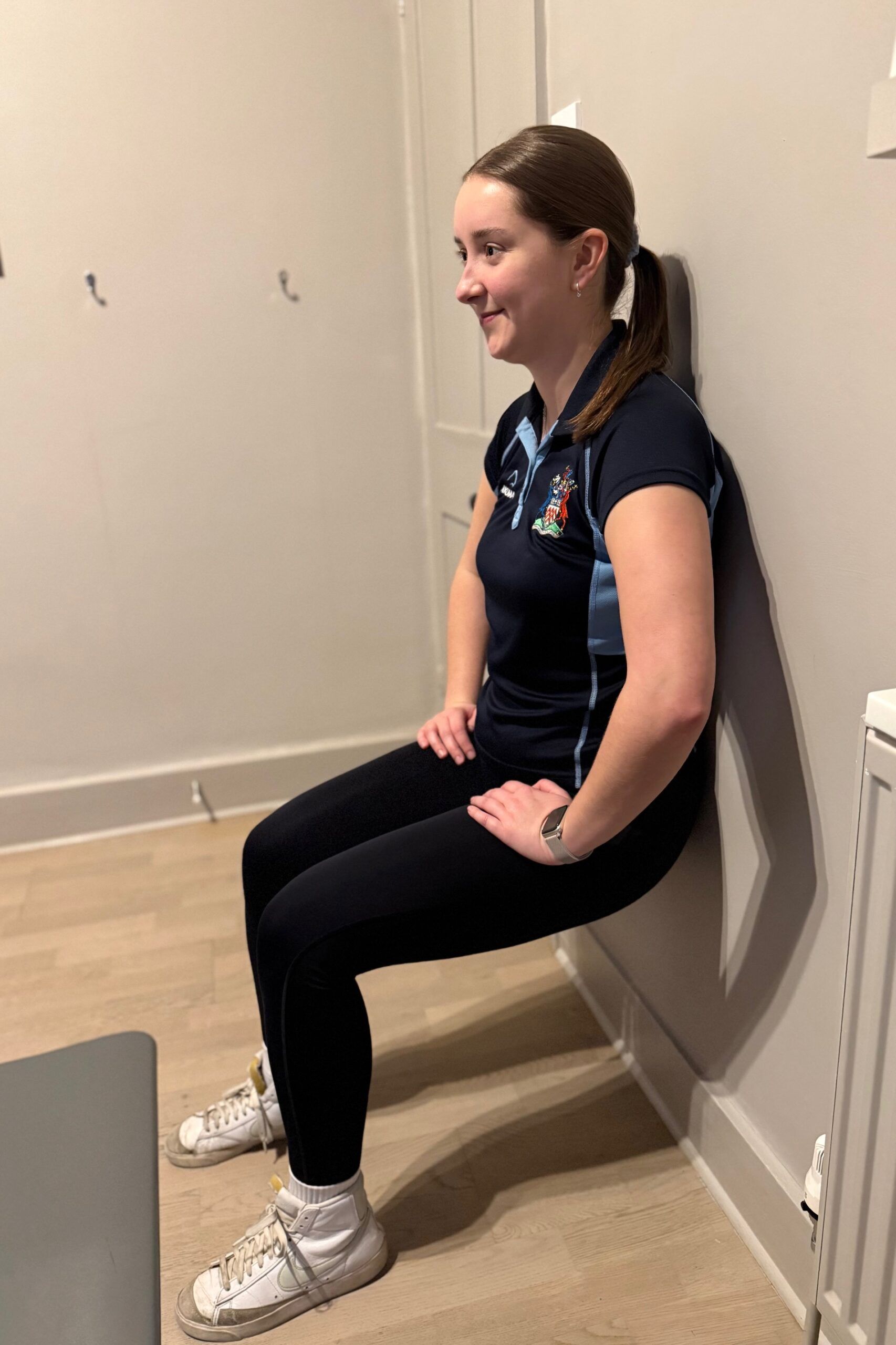
Top Tips
As well as strengthening, it is also important to look at things such as muscle imbalances, running techniques, training programmes and even footwear. Here are some final top tips to consider the next time you step out and hit the road:
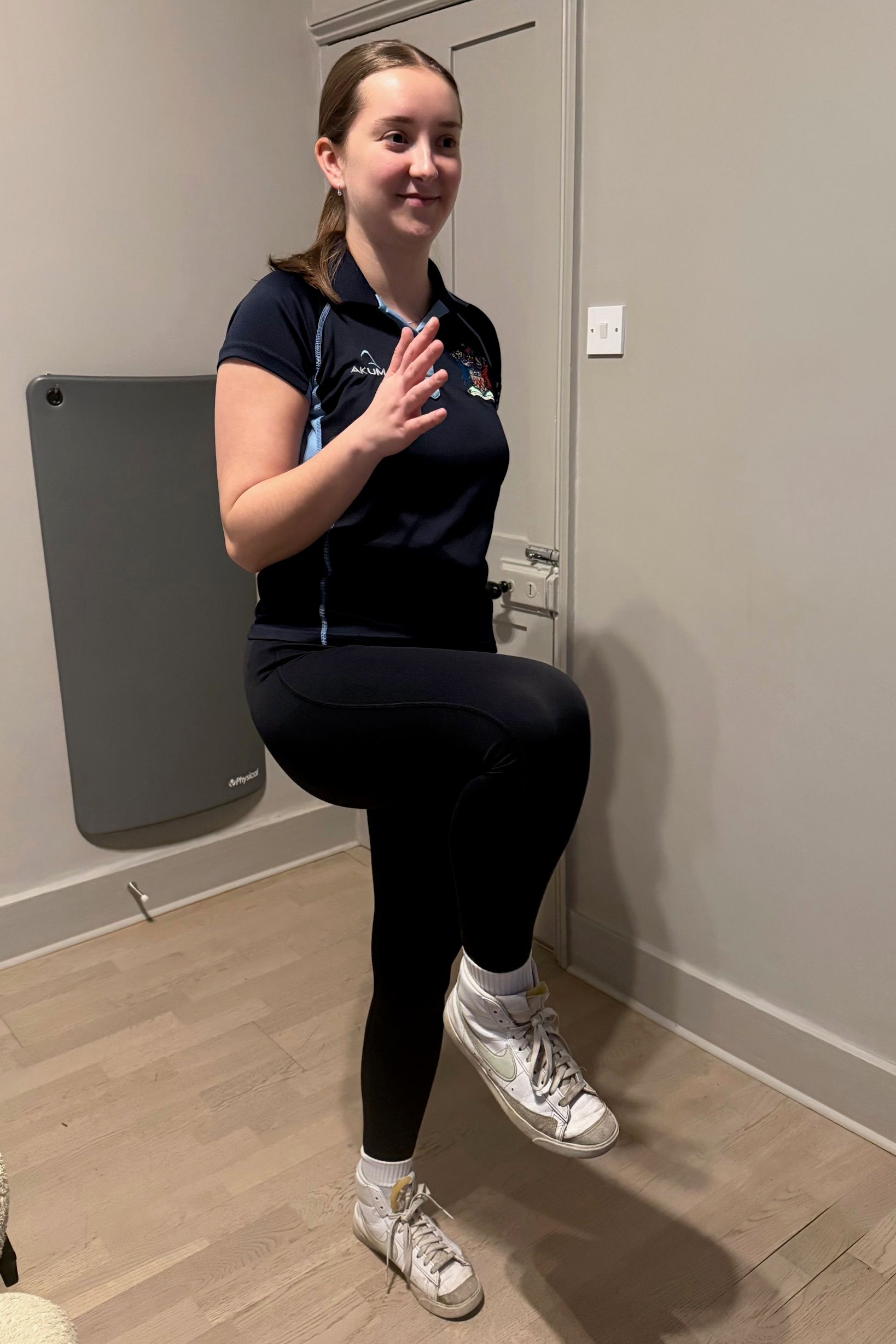
- Check your running technique. The fundamentals of running form are simple. Your feet should land directly below the centre of mass. You should maintain an upright posture and avoid any side-to-side movement. Some techniques to help you improve your running form could include drills such as high knees and A/B Skips. Be mindful of your form and even filming yourself running will help in the analysis of your gait.
- Get your gait analysed! Getting a running gait analysis is crucial for injury prevention, enhancing performance, and improving efficiency by identifying biomechanical issues like overpronation or overstriding, helping you choose the right shoes, and fine-tuning your form for better support and reduced strain on your body.
- Are you doing too much too quickly? Training overload can be very common in most runners training plan, especially when you are starting out. The bad thing about this is it often places physical stress on the body which will lead to injury. A gradual progression of increasing the time or distance each week by no more than 10% will allow the body to adapt to the demand you are giving it. You could even try interval training in the beginning stages on your training plan!
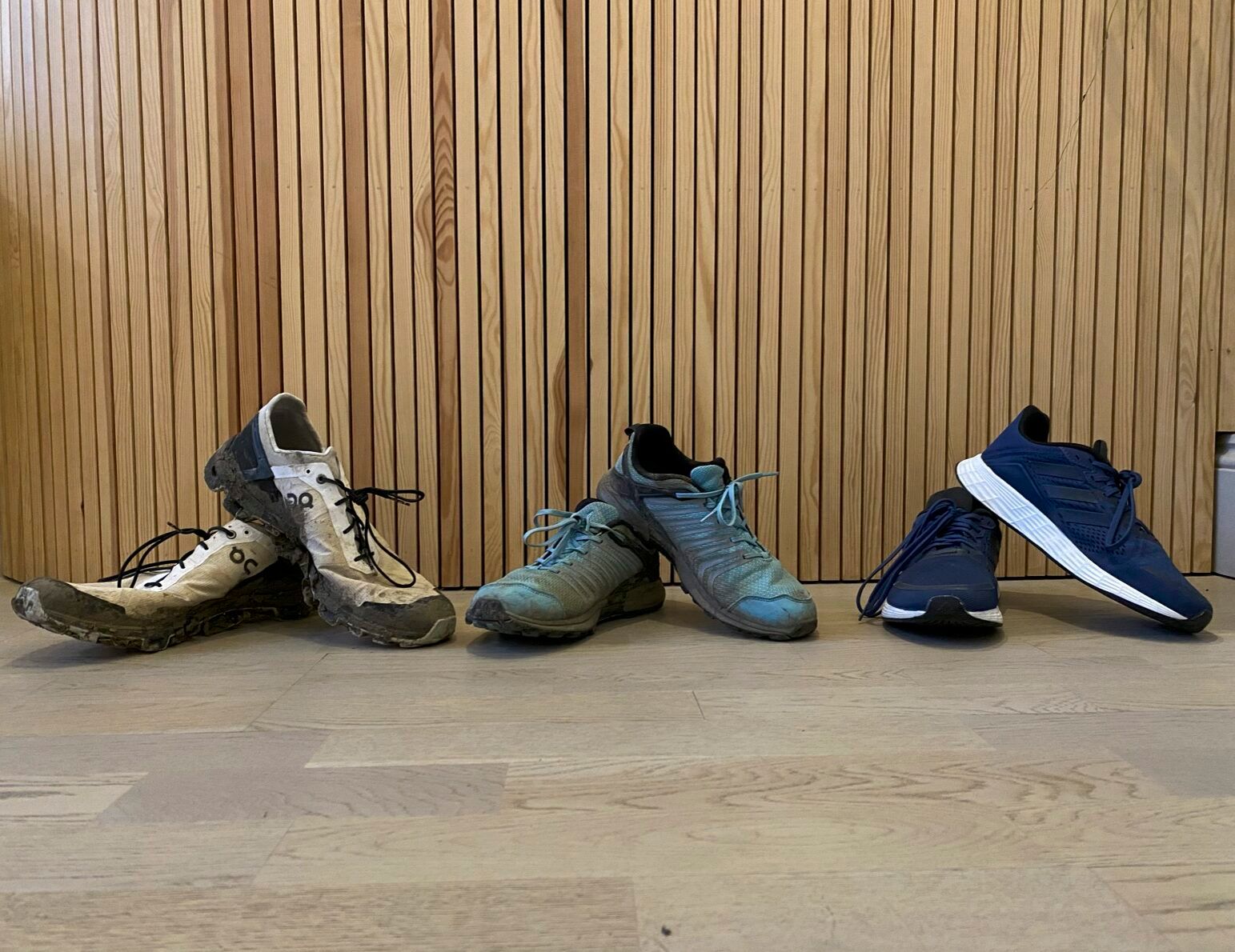
- Are you wearing the correct shoes? The wrong shoes can alter your gait, causing stress to spread up your legs and spine, ultimately impairing performance and increasing fatigue. Consider visiting a specialist shoe shop or podiatrist to get fitted for shoes that match your foot type and running style!
Runner’s knee can be frustrating, but it doesn’t have to sideline you for good. Stay patient, stay proactive, and keep moving forward-one pain-free step at a time.
Looking for a thorough assessment and tailored support, including personalised exercises and a rehab plan? Book in with me here.
Check out our last blog by Sports Therapist Amy, “Training for Your Menstrual Cycle: Evidence, Trend, or Something In-Between.”