Shoes – Finding The Right Fit
Everyone has their own preference when it comes to footwear; whether it be style, colour, comfort or brand. But not nearly enough of us consider how our shoes affect our overall joint health and comfort. We trust that well known brands and a higher price means a better quality shoe. Unfortunately this is not always the case as we are often sold style over substance and form over function. We pay a premium price for a product which looks nice, but is not always fit for purpose. This article is aimed to give you a basic understanding of the importance of your footwear and the key things to look for when choosing a new pair of shoes.
Why is a good pair of shoes important?
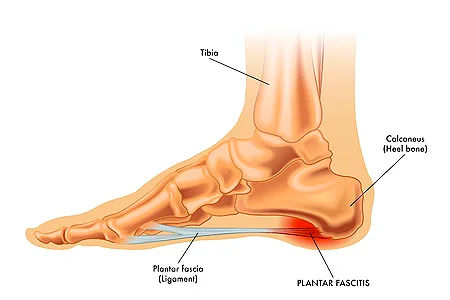
Our feet and ankles are very complex structures made up of many different bones, joints, muscles, ligaments and tendons that all work together to absorb impact and propel us forwards. Shoes are necessary to protect our feet from being injured by things like sharp stones or glass as we walk and run. If they alter the natural mechanics of the foot then they also change how the forces travel through the foot and ankle. This can lead to excessive loading of certain tissues. This increases the risk of common foot issues such as plantar fasciitis, but can also put more stress on your knees, hips and low back.
Common problems with modern shoes
-
Narrow toe boxes that squeeze the toes together instead of allowing them to spread naturally.
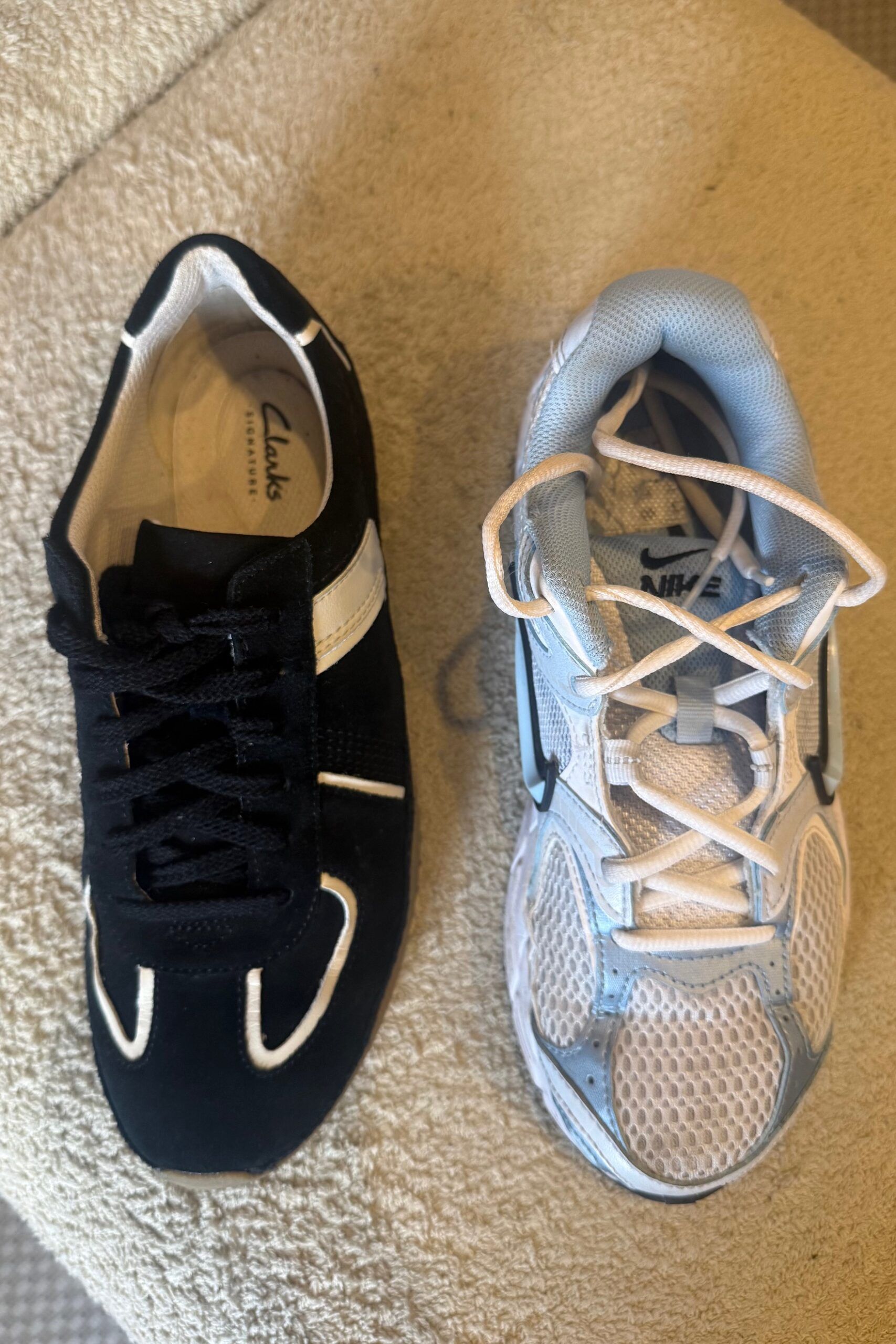
The shoe on the left has a much narrower toe box, whereas the shoe on the right is wider.
-
Lack of arch support, increasing the strain on the support structures of the foot.
-
Improper flexibility, where shoes bend too much or too little, or in the wrong place.
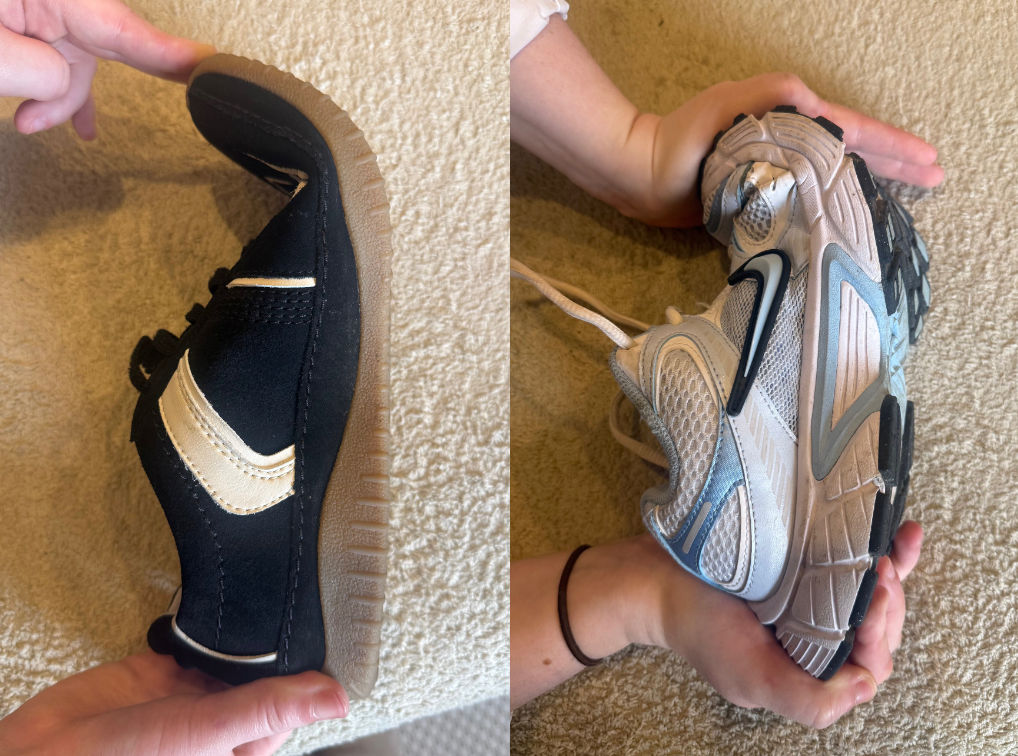
The shoe on the left flexes at the correct point however the shoe on the right bends too close to the toes.
How to choose a supportive shoe
There are a few easy checks you can do to help you feel more confident in choosing a shoe to help work with your body’s biomechanics instead of against it.
-
Check where the shoe bends. A good shoe should bend at the ball of the foot where your toes naturally push off when walking. It should not bend through the arch (middle) of the shoe.
-
Test the flexibility. The shoe should have some bend, but you should not be able to bend the shoe completely back on itself. You need enough bend to allow natural movement, but still provide some support.
-
Look for a firm heel cup. The back of the shoe should feel firm and supportive to help stabilise the heel when walking.
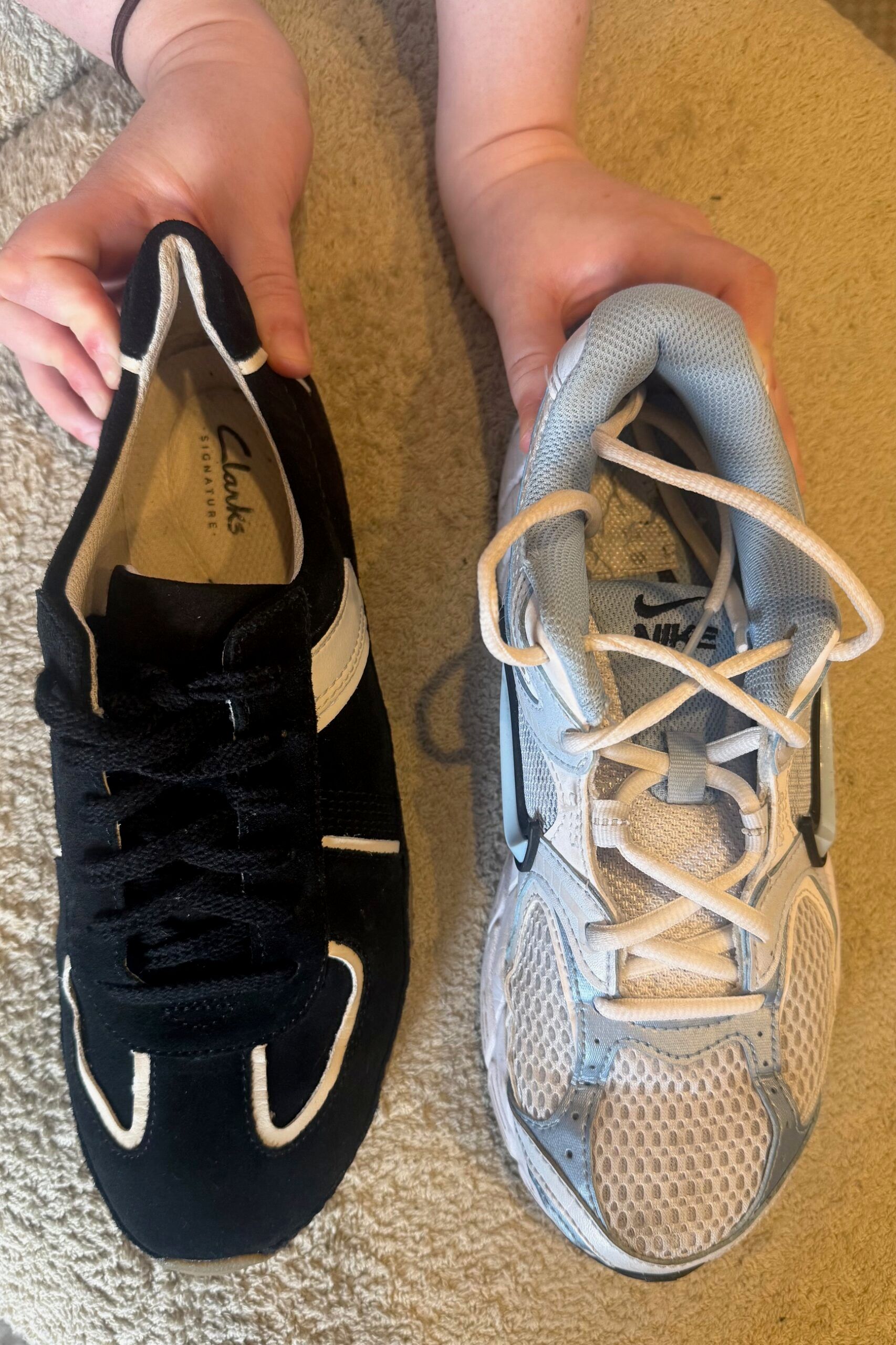
The shoe on the right has a firmer heel cup, which means better heel support.
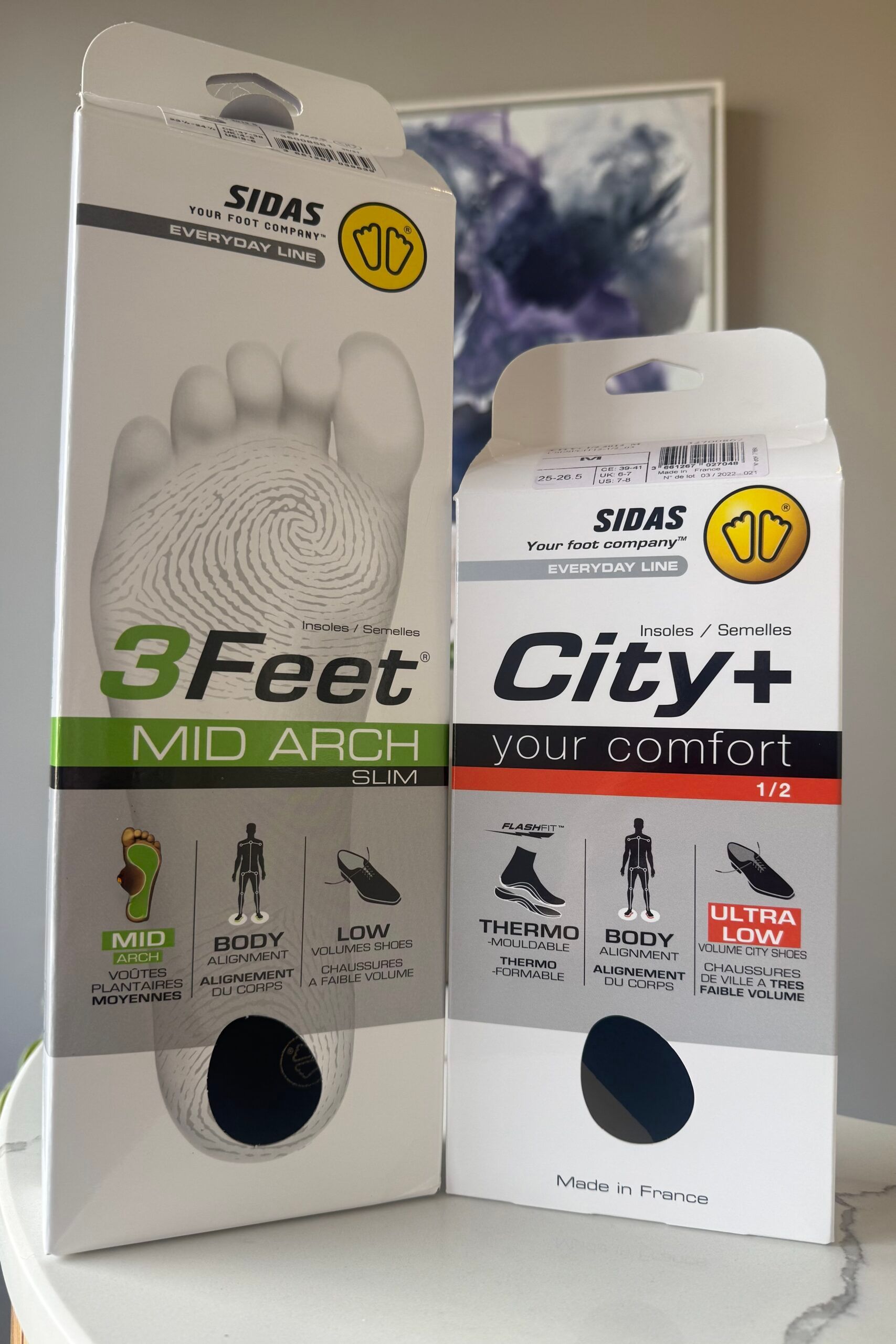
- Consider arch support. Ideally, most shoes should have some mild support for the arch of the foot to help distribute load more evenly.
What about barefoot shoes?
There is an argument to be made that by wearing supportive shoes all the time we are making the muscles of our feet ‘lazy’. This has led to an increase in the popularity of barefoot shoes which feature thin soles, wide toe boxes and minimal structure to allow the foot to move naturally and encourage the intrinsic muscles of the feet to become stronger rather than relying on external support.
For some people this can be an excellent approach. However, it is important to remember that most people’s feet have adapted to modern footwear over many years and may find it hard to transition to a more minimalist style.
If you are considering barefoot shoes, the most important thing is to transition slowly. You have to give your feet time to adjust and strengthen if you want to be able to wear barefoot shoes so the muscles, tendons and ligaments can adapt safely to the increased demand.
We highly recommend BGreater bare foot shoes for kids, designed for ultimate comfort, flexibility and complete freedom of movement.
Key takeaways
Shoes are far more than a fashion choice. They are an important part of maintaining healthy foot mechanics and preventing injury. Remember to look for shoes that:
-
Bend at the ball of the foot
-
Have moderate flexibility
-
Include a firm heal cup
-
Provide appropriate arch support
-
Allow enough room for your toes to spread
So, give your feet the respect they deserve and wear shoes that will help you put your best foot forward!