The Benefits of Creatine
Creatine is often associated with bodybuilding and gym culture, but that perception only tells part of the story.
In practice, we regularly see patients working to rebuild strength, recover from injury, or improve how their body feels and functions day to day. Increasingly, research suggests that creatine may play a useful supporting role in all of these areas.
At Tivoli Chiropractic, our focus is on improving movement, supporting recovery, and helping patients build long-term resilience. Creatine isn’t a treatment, but in the right context, it may complement the work we do.
What Is Creatine?
Creatine is a naturally occurring compound stored in muscle cells, where it plays a key role in energy production.
It helps regenerate ATP (adenosine triphosphate), the body’s primary energy source for short bursts of activity, such as lifting, climbing stairs, or stabilising joints during movement.
The body produces creatine naturally, and it is also obtained through foods like red meat and fish. Supplementation increases the amount stored in muscle, helping the body meet higher energy demands more efficiently.
Strength and Physical Performance
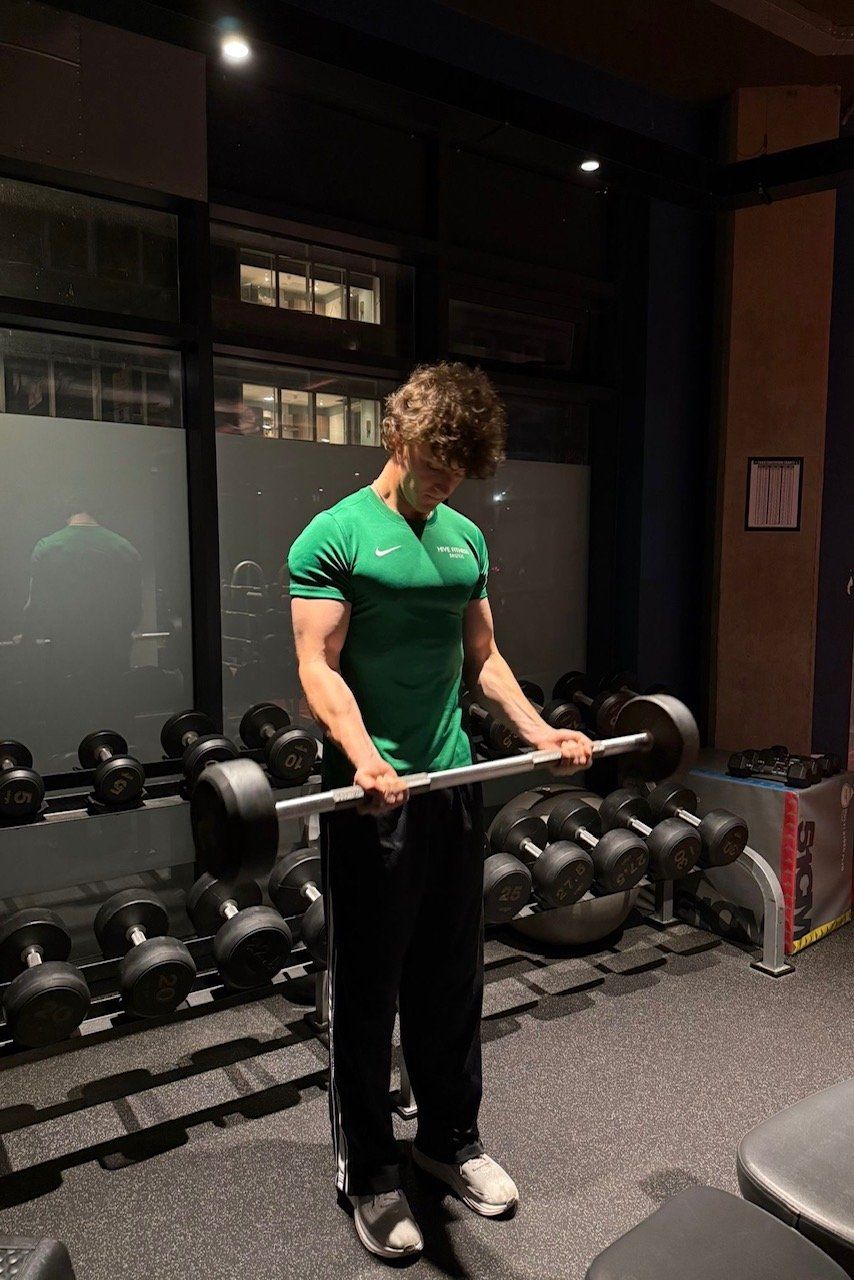
Creatine is best known for its role in improving strength and physical performance.
Research shows that it can:
- Increase strength and power output
- Enhance performance during resistance training
- Support the development of lean muscle
This isn’t limited to athletes. Improved muscle strength helps support joints, enhance stability, and make everyday movements feel more controlled and efficient.
Recovery and Rehabilitation
Recovery is a key part of both training and rehabilitation.
Creatine may support this process by:
- Aiding recovery between exercise sessions
- Reducing markers of muscle damage following higher-intensity activity
- Supporting consistent performance over time
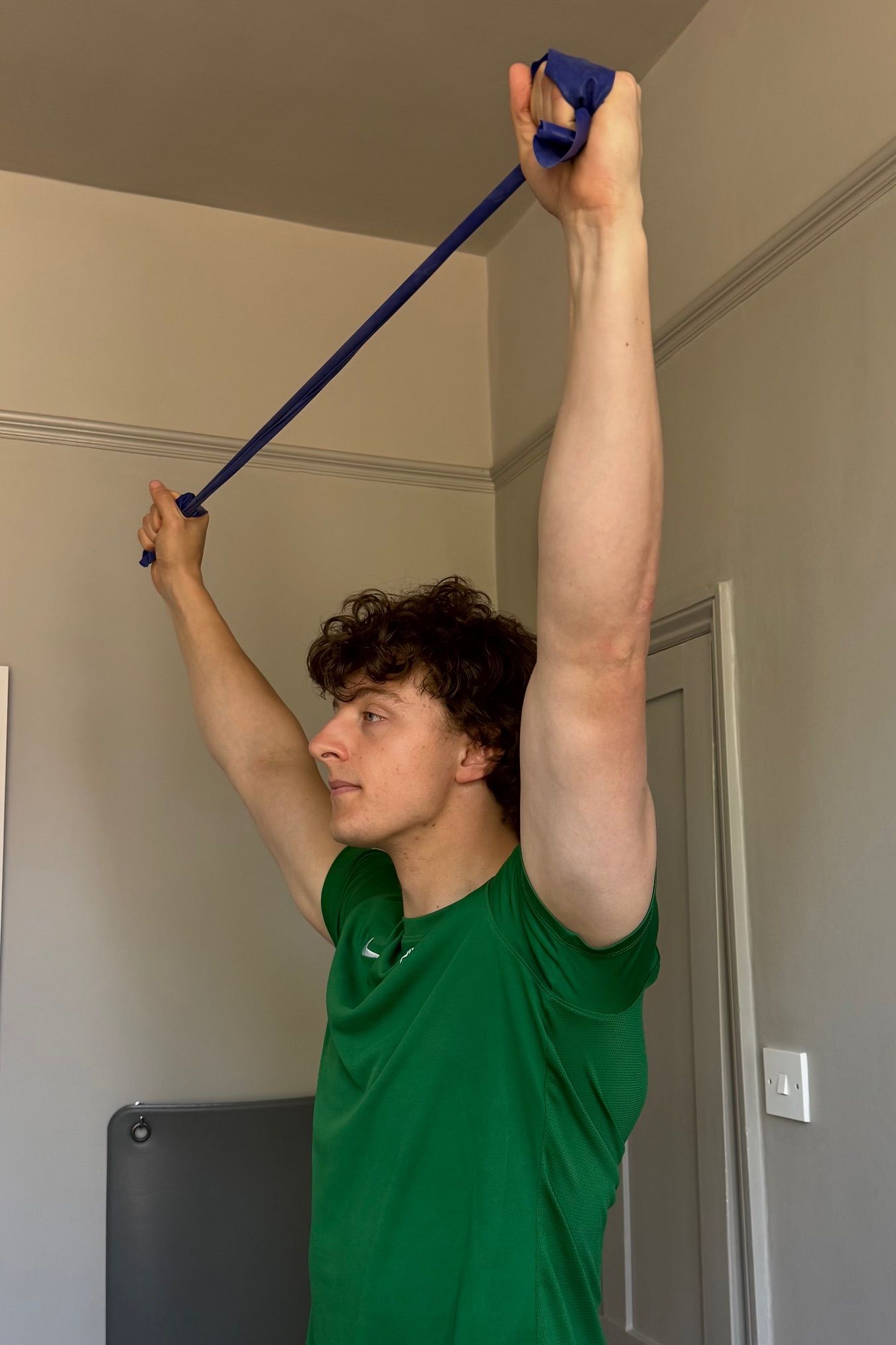
In a rehab setting, this can translate to better tolerance of exercise programmes and steadier progress.
Injury Prevention and Muscular Support
Injury risk is often linked to fatigue, reduced control, and inefficient movement patterns.
By supporting muscle function during repeated efforts, creatine may:
- Help maintain movement quality as fatigue builds
- Reduce compensatory patterns
- Support overall muscular resilience
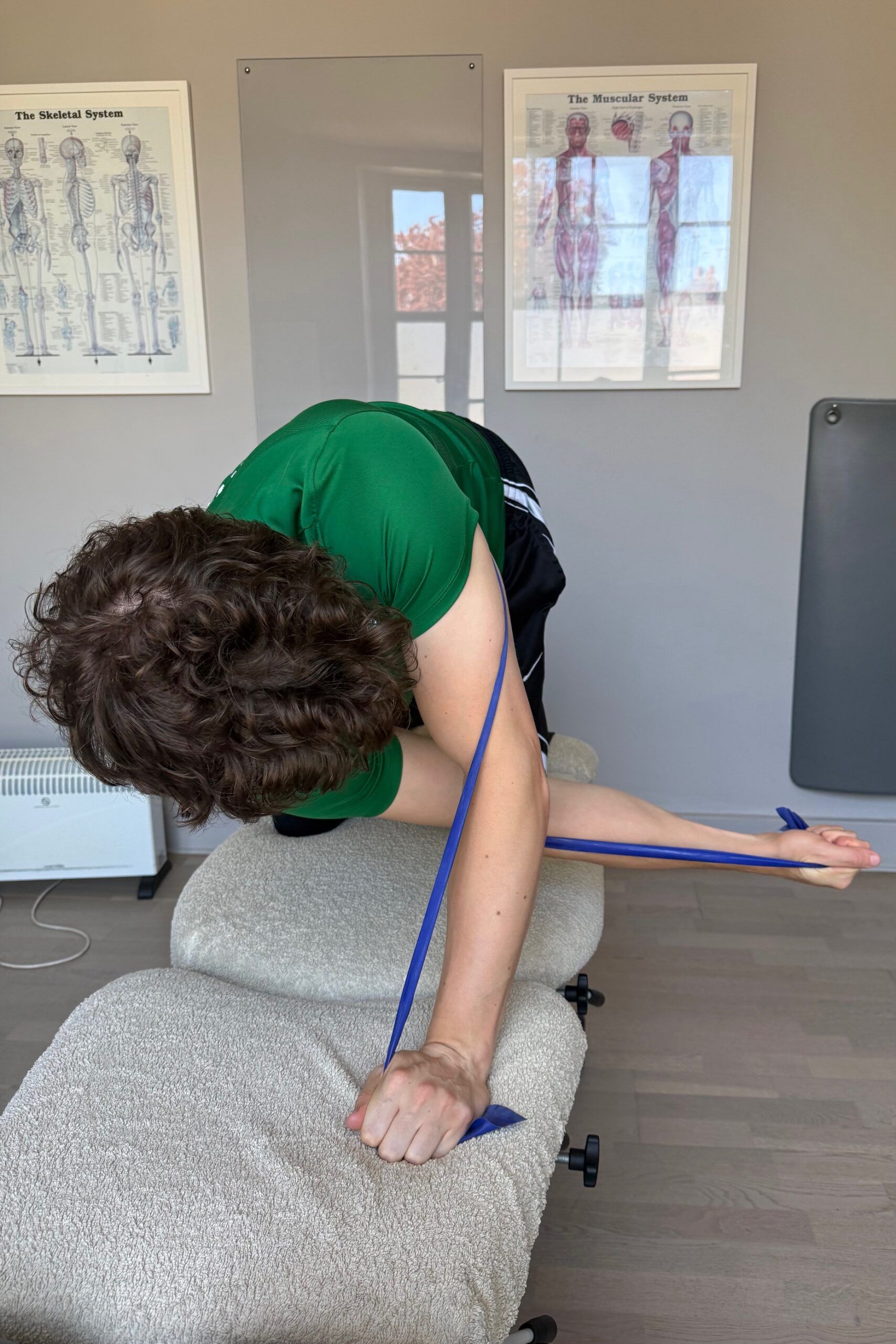
This can be particularly useful for active individuals or those returning to exercise after injury.
Brain Function and Mental Energy
Creatine also plays a role in brain energy metabolism.
The brain has high energy demands, and emerging research suggests creatine may:
- Support cognitive performance under fatigue
- Help maintain mental energy during periods of stress or poor sleep
While this area is still developing, it highlights that creatine’s role extends beyond physical performance.
Healthy Ageing and Long-Term Function
Creatine isn’t just for younger or highly active individuals.
As we age, maintaining muscle mass and strength becomes increasingly important for joint health, balance, and independence.
When combined with resistance training, creatine may help support:
- Muscle maintenance
- Strength and physical function
- Long-term mobility
Who Might Benefit?
Creatine may be worth considering for:
- Individuals returning to activity after injury
- Those looking to improve strength and performance
- People finding it difficult to build or maintain muscle
- Older adults aiming to maintain independence
- Vegetarians or vegans, who may have lower natural creatine levels
As always, individual needs and circumstances should guide decisions.
Who Should Be Cautious?
Although creatine is widely considered safe for healthy individuals, it may not be appropriate for everyone.
You should seek professional advice before taking it if you:
- Have a history of kidney disease or reduced kidney function
- Have been advised to monitor kidney health
- Are pregnant or breastfeeding
- Have underlying medical conditions or take certain medications
Common Misconceptions
“Creatine is bad for your kidneys”
Current evidence does not support this in healthy individuals using recommended doses.
“It causes bloating”
Creatine increases water within muscle cells, which is different from digestive bloating.
“You need a loading phase”
A loading phase is optional. A consistent daily intake is effective for most people.
How to Take Creatine
General guidance based on current evidence:
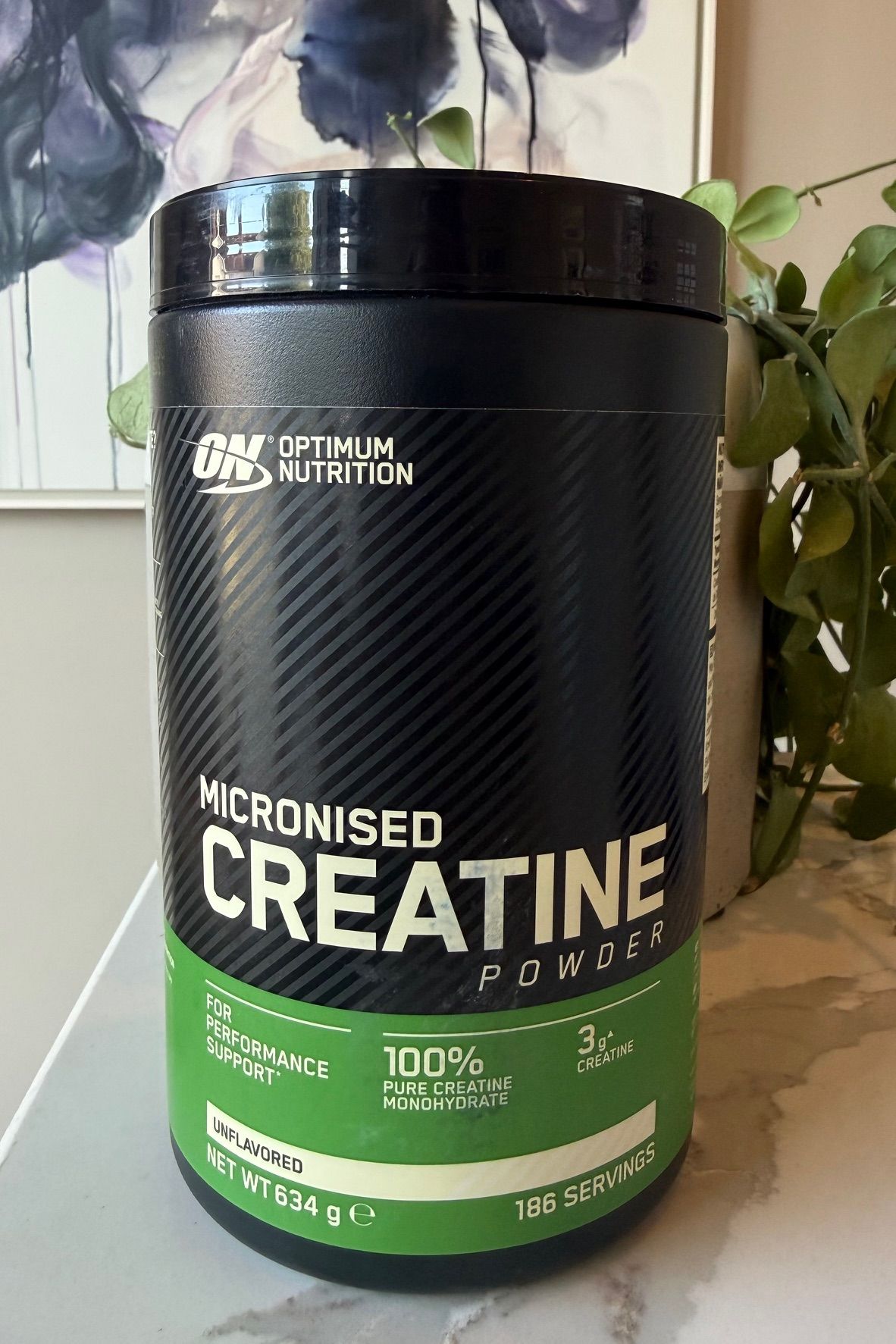
- 3-5 grams per day
- Creatine monohydrate is the most researched form
- Consistency is more important than timing
Hydration
Creatine draws water into muscle cells, so maintaining good hydration is important.
In practical terms:
- Drink fluids regularly throughout the day
- Increase intake slightly during periods of higher activity or warmer weather
- Avoid both under-hydrating and excessive fluid intake
A Chiropractic Perspective
Chiropractic care focuses on improving movement, reducing pain, and helping the body function efficiently.
In practice, we prioritise movement quality, strength, and load management first. Supplements are only considered once these foundations are in place.
Creatine is not a replacement for treatment or exercise, but it may support the same goals when used alongside:
- Manual therapy
- Structured rehabilitation
- Strength and conditioning
As a chiropractor, I look at tools that can support both performance and recovery in a practical, evidence-based way. Creatine is one of the few supplements with a strong body of research behind it, which is why it may be discussed with appropriate patients.
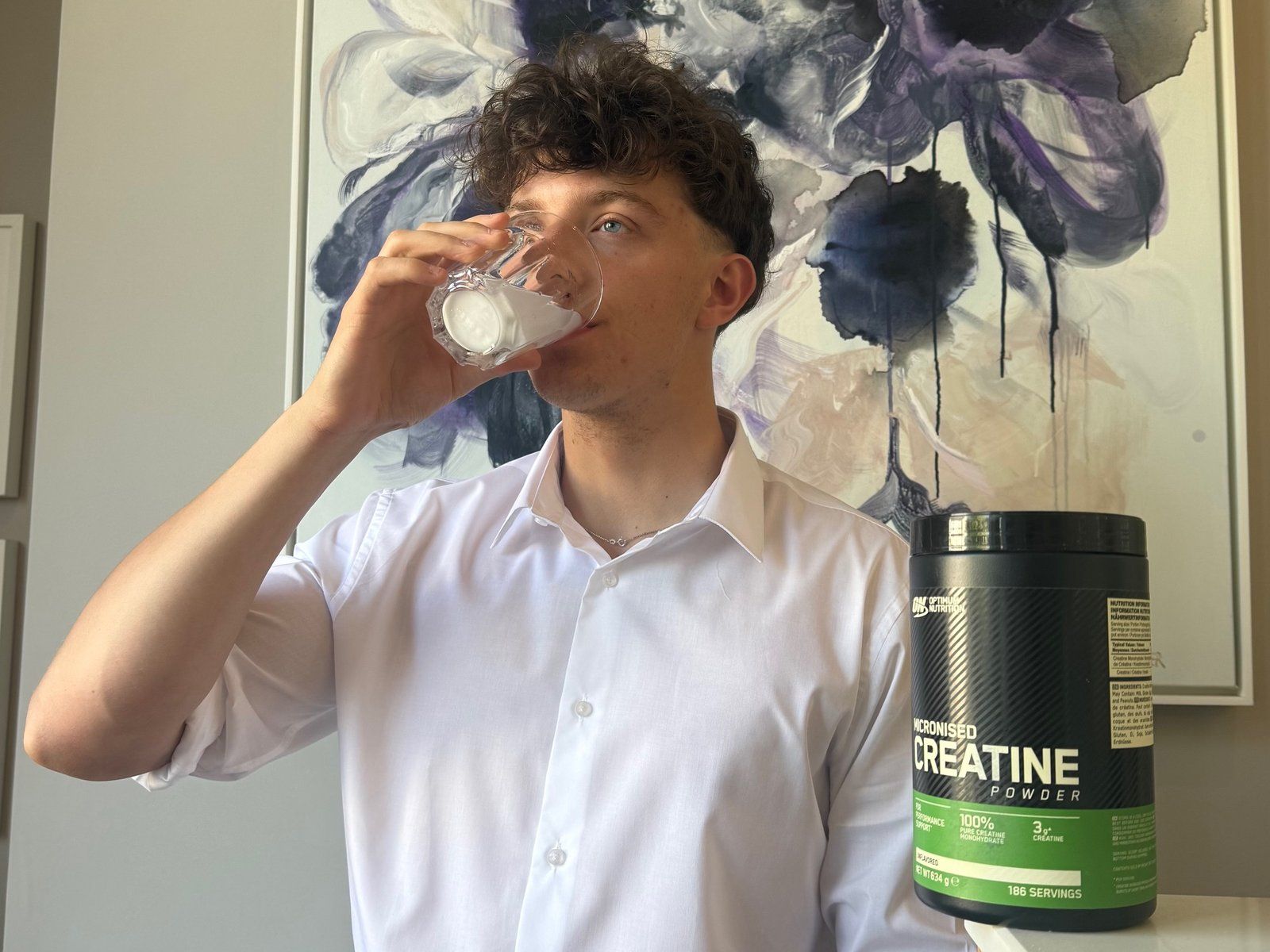
I also use creatine myself as part of my own training and recovery. When used appropriately, it can be a simple way to support strength and overall function, but like anything, it should be used for the right reasons and with the right guidance.
Final Thoughts
Creatine is one of the most well-researched supplements available, with benefits that extend beyond muscle building.
For many people, it can be a simple and effective way to support strength, recovery, and overall function,when combined with appropriate training and guidance.
If you’re unsure whether creatine is suitable for you, or you’re currently working through injury or rehabilitation, feel free to speak to one of our team. We’re always happy to guide you based on your individual needs and goals.
Check out our last blog by Chiropractor Katie, “Shoes – Finding The Right Fit”