Could Coeliac Disease Be the Missing Link?
Feeling tired all the time, despite getting a good nights sleep? Struggling with muscle cramps that you can’t seem to explain? Finding that your muscles feel tight, weak or just aren’t recovering like they should?
We often put these things down to training, stress, poor sleep or simply “getting older”. But sometimes there is more going on underneath the surface.
After a series of tests, I was diagnosed with coeliac disease 5 months ago and it explained a lot!
What is Coeliac Disease?
Coeliac disease is an autoimmune condition where eating gluten causes the immune system to damage the lining of the small intestine.
Gluten is found in foods containing wheat, barley and rye. For someone with coeliac disease, eating gluten triggers an immune response which can affect the ability of the small intestines lining to absorb nutrients properly.

And this is where things can start to become relevant to your muscles, your recovery and how your feeling day-to-day.
My Symptoms? They Were Barely There
I had some stomach pain and fatigue, but that was pretty much it. There were no dramatic digestive symptoms that made me immediately think something was wrong.
But it went on for just a little too long.
I could get what I thought was a decent night’s sleep and still wake up feeling like I hadn’t properly rested at all.
Eventually, I decided it was worth getting checked. I went to my GP, who recommended some blood tests based on my symptoms.
The blood test showed that my tTG-IgA antibody levels were higher than they should be. This can be a sign of coeliac disease, so I was referred for an endoscopy.
During the endoscopy, a small sample (biopsy) was taken from the lining of my small intestine. This was then examined to check for the changes associated with coeliac disease.
Once the results were back, I had a consultation with a specialist who explained the results and confirmed my diagnosis.
Why Can Coeliac Disease Affect Your Muscles?
One of the biggest issues with coeliac disease is malabsorption.
When the small intestine is damaged, it may not absorb certain vitamins and minerals as effectively as it should. These can include iron, vitamin B12, folate, vitamin D, calcium and magnesium.
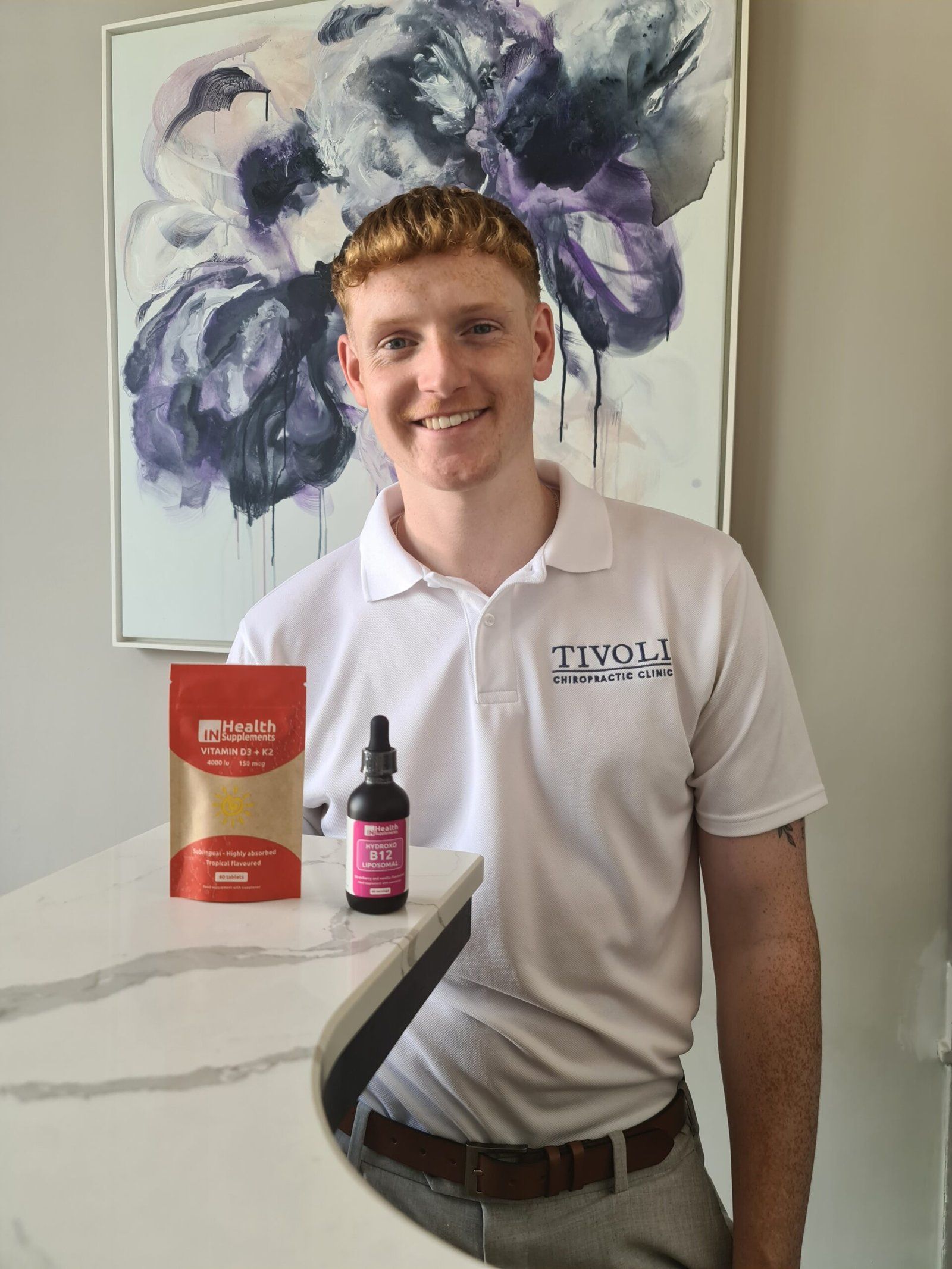
These nutrients all play important roles in keeping your body working properly. They help with things like energy production, nerve and muscle function, bone health and recovery.
So, if your body isn’t getting enough of these essential nutrients, it’s understandable that you may start to notice changes in how you feel and perform.
You might be sleeping for eight hours, drinking plenty of water and eating what you think is a good diet, yet still feel completely drained.
And when it comes to muscles, nutrient deficiencies can contribute to weakness, poor recovery and muscle cramps.
This is where my own experience really clicked.
Of course, there can be many reasons for these symptoms, and they don’t automatically mean you have a nutritional deficiency or coeliac disease. If you’re experiencing ongoing or unexplained symptoms, it’s important to speak to your GP.
Where appropriate, nutritional deficiencies can be assessed and managed by your GP or a registered dietitian. We also stock a range of nutritional supplements at the clinic.
The Football Cramps I Couldn’t Explain
I’ve played football for most of my life, so I’m used to the occasional cramp, but mine were becoming a regular problem.
Towards the end of games, my muscles would cramp up quite badly and I couldn’t understand it. I drank plenty of water, used electrolytes, trained regularly, and yet I couldn’t work out why it kept happening.
My body wasn’t necessarily lacking water. It was lacking the nutrients required for normal muscle function and recovery.
Getting diagnosed with coeliac disease finally gave me an explanation for something I had been experiencing for years.
How Does This Relate to Sports Therapy?
This is also a good example of why, at Tivoli Chiropractic Clinic, we don’t look at symptoms in isolation.
If you come to see us with recurring muscle cramps, tightness, weakness, fatigue or problems with recovery, our role is to assess what we can help with from a musculoskeletal perspective, but also to consider the bigger picture.
That doesn’t mean every muscle problem has an underlying medical condition – far from it. But sometimes, looking beyond the area that hurts can provide useful information.
Asking about lifestyle factors such as your training load, activity levels, sleep, stress, nutrition, recovery, work and general lifestyle can all influence how your body feels and performs. Understanding these wider factors can help us build a more personalised approach and recommendation for managing your symptoms and supporting a healthy, active lifestyle.
For example, if you’re regularly experiencing cramps despite making changes to your hydration and training, or you’re struggling with recovery and feeling unusually fatigued, it may be worth discussing these symptoms with your GP, particularly if they persist or are accompanied by other symptoms.
What Should You Look Out For?
Coeliac disease doesn’t always cause obvious symptoms. Signs can include:
- Persistent fatigue
- Bloating or abdominal problems
- Muscle cramps or weakness
- Poor recovery from exercise
- Unexplained weight loss
- Feeling generally run down
- Mouth ulcers
- Headaches or brain fog
- An itchy skin rash
Treatment
Treatment is a strict, lifelong gluten-free diet, allowing the intestine to heal and nutrient absorption to improve. Any deficiencies can then be identified and managed with your GP or registered dietitian, ensuring your body isn’t lacking in levels of key nutrients.
While coeliac disease itself is not something we treat at the clinic, we can still play a supportive role in your overall health and wellbeing. Tailoring your care, supporting your musculoskeletal health and help you maintain a healthy, active lifestyle alongside any medical treatment you may be receiving.
If you have any questions about coeliac disease, or have been experiencing symptoms that you’re struggling to explain, you can email me at joe@tivolichiropractic.co.uk or discuss your concerns with your practitioner at your next appointment.