Teeth Grinding: How It Can Affect Your Jaw, Head and Neck
When most people think about teeth grinding, they picture worn teeth or a noisy habit that happens during sleep. What many people don’t realise is that bruxism can affect much more than just the teeth.
Persistent clenching and grinding can place extra stress on the jaw muscles and joints, and for some people this may contribute to symptoms such as jaw discomfort, headaches, facial tension, neck stiffness and disrupted sleep.
At Tivoli Chiropractic, we regularly see patients experiencing these symptoms without realising that bruxism could be playing a role.
While chiropractic care does not treat the teeth themselves, understanding how the jaw, neck and surrounding muscles work together can be an important part of assessing and managing these symptoms.
What Is Bruxism?
Bruxism is the involuntary clenching, grinding or gnashing of the teeth.
It can happen while you are awake or during sleep. Awake bruxism often involves subconscious clenching during activities such as working, concentrating or periods of stress. Sleep bruxism happens overnight and is often harder to recognise because you are unaware it is happening.
Many people only discover they grind their teeth when a partner notices it, a dentist identifies signs of tooth wear, or symptoms such as jaw discomfort and headaches begin to develop.

Occasional clenching is common and usually isn’t something to worry about. However, frequent clenching or grinding can place repeated stress on the teeth, jaw muscles and surrounding joints.
Bruxism and TMD: What’s the Difference?
Bruxism and TMD are closely linked, but they are not the same thing.
Bruxism describes the habit of clenching or grinding your teeth.
TMD (temporomandibular dysfunction) refers to problems affecting the jaw joint (the temporomandibular joint, or TMJ) and the muscles that control jaw movement.
A simple way to think about it:
Bruxism is something you do. TMD is something you can develop.
Not everyone who grinds their teeth will develop TMD, and not everyone with TMD grinds their teeth. However, repeated clenching may increase stress through the jaw muscles and joints, which can contribute to symptoms such as jaw pain, stiffness, clicking or discomfort when chewing.
What Causes Bruxism?
There isn’t one single cause of bruxism. Instead, it is thought to develop through a combination of lifestyle, physical and psychological factors.
Common contributors include:
-
Stress and anxiety
-
Poor sleep quality
-
Sleep disorders, such as sleep apnoea
-
Certain medications
-
Smoking
-
Alcohol
-
High caffeine intake
Stress is one of the most commonly reported triggers, particularly for people who clench their teeth during the day.
Sleep bruxism is more complex, as many people grind their teeth without knowing they are doing it. Sleep quality and other factors may also influence how often it occurs.
Signs You Might Be Grinding Your Teeth
Bruxism doesn’t just affect the teeth. Because the jaw muscles work closely with the muscles of the face, head and neck, symptoms can appear in several areas.
Common signs include:
-
Jaw pain or stiffness
-
Morning headaches
-
Pain around the temples
-
Clicking or discomfort around the jaw joint
-
Neck and shoulder tension
-
Facial muscle fatigue
-
Tooth sensitivity
-
Worn, chipped or flattened teeth
-
Cracked fillings or crowns
-
Pain when chewing
Some people may also notice less obvious signs, such as cheek biting, scalloping along the edges of the tongue, ear discomfort or waking with a tired feeling in their jaw.
These symptoms do not automatically mean you have bruxism, but they may be signs that further assessment could be helpful.
From Teeth Grinding to Headaches: How Bruxism Can Affect the Body
Bruxism does not affect everyone in the same way. Some people may clench or grind their teeth without developing noticeable symptoms, while others may experience ongoing discomfort.
When symptoms do occur, it can sometimes feel like a chain reaction:
Clenching and grinding

Extra stress is placed through the teeth and jaw muscles
Muscle tension builds
The muscles around the jaw can become tired, tight and sensitive
Jaw discomfort develops
You may notice stiffness, clicking or discomfort when moving your jaw
The surrounding areas become involved
Tension can extend into the temples, face, neck and shoulders
Symptoms appear
Headaches, facial discomfort or neck tension may develop
The body doesn’t work in isolation. The jaw, neck and upper body are closely connected, which is why assessing these areas together can be important.
What Can Help Bruxism?
Managing bruxism usually involves addressing the factors that may be contributing to it rather than relying on one single solution.
Increase Awareness
Many people clench their teeth during the day without realising.
A simple, useful reminder is:
Lips together. Teeth apart.
Your teeth should only normally touch when chewing or swallowing. Checking in with your jaw throughout the day can help reduce unnecessary clenching.
Improve Sleep Quality
If your grinding happens during sleep, improving your sleep routine may help.
Simple strategies include:
-
Keeping a consistent bedtime
-
Reducing caffeine later in the day
-
Limiting alcohol before bed
-
Creating a relaxing evening routine
Manage Stress
Stress can increase muscle activity and make unconscious clenching more likely.
Regular exercise, mindfulness, breathing exercises and relaxation techniques may help reduce symptoms and improve overall wellbeing.
Protect Your Teeth
If bruxism is causing tooth wear or damage, your dentist may recommend a custom-made mouth guard.
These do not usually stop the grinding itself, but they can help protect the teeth from excessive wear.
Keep Your Jaw and Neck Moving
Gentle exercises, good posture and regular movement may help reduce muscle tension.
The right approach will depend on what is contributing to your symptoms and may involve support from different healthcare professionals.
A Chiropractic Perspective
At Tivoli Chiropractic, we look beyond the area that hurts.
The jaw, neck and upper back work together as part of one connected system. When the muscles around the jaw become overloaded through persistent clenching, it is not uncommon for tension or reduced movement to also be present elsewhere.
Our role isn’t to stop teeth grinding or replace dental care. Instead, we assess how the muscles and joints of the jaw, neck and upper back are working together and whether they may be contributing to your symptoms of pain.

Depending on what we find during your assessment, support may include:
-
Manual therapy
-
Soft tissue techniques
-
Rehabilitation exercises
-
Postural advice
-
Lifestyle and self-management strategies
Where appropriate, we also work alongside dentists and other healthcare professionals to ensure your care is approached from all angles.
Final Thoughts
Bruxism is much more common than many people realise, and for some people it involves far more than simply grinding their teeth.
Persistent clenching and grinding can contribute to jaw discomfort, headaches, neck tension and tooth damage. Recognising the signs early and understanding what may be contributing to your symptoms can help you take action sooner.
At Tivoli Chiropractic, our focus is on improving movement, reducing unnecessary muscle tension and helping patients understand how different areas of the body work together.
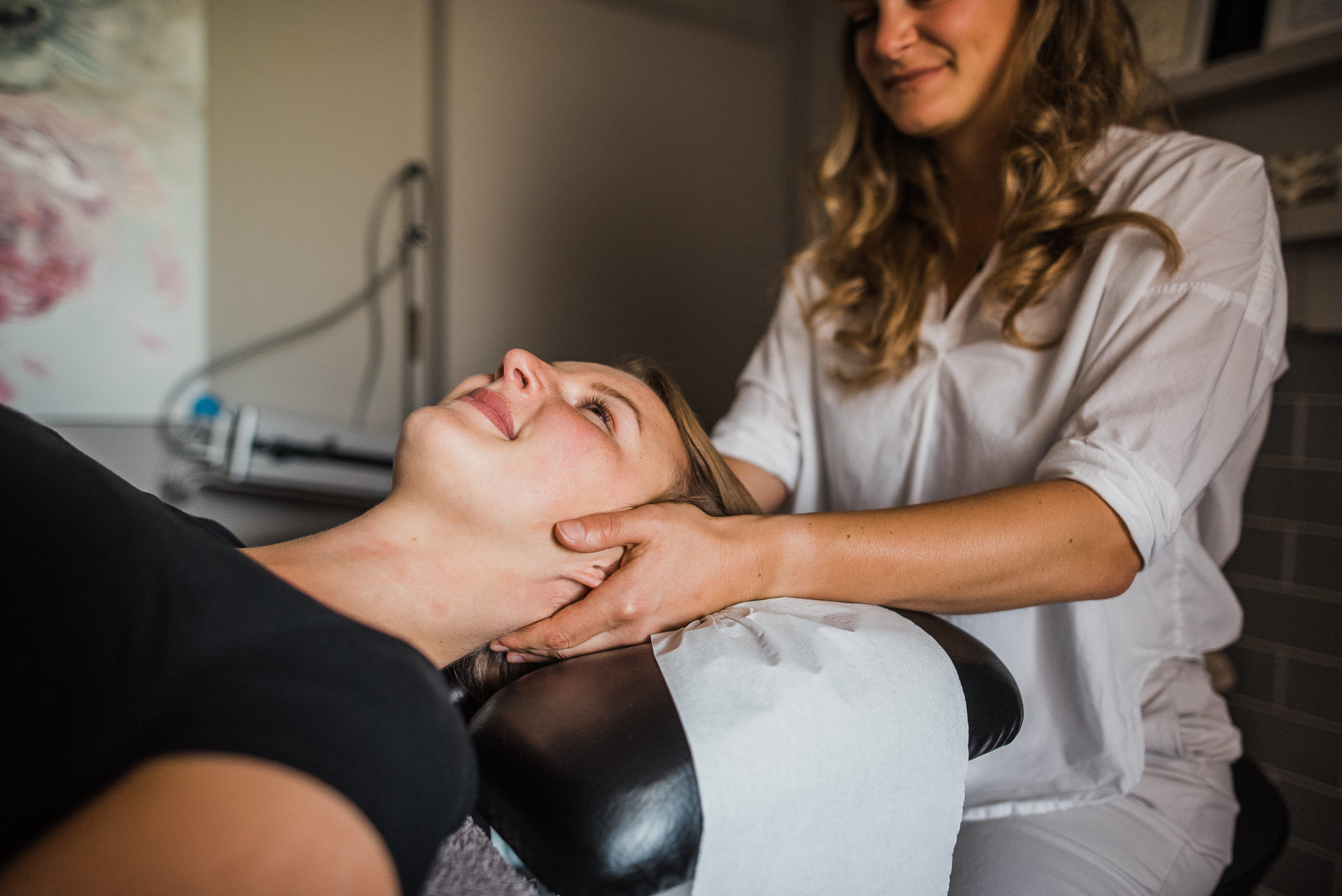
If you’re experiencing jaw tension, headaches, or neck discomfort and are wondering whether bruxism could be contributing to your symptoms, we’re here to help. Our team can assess your symptoms, identify any underlying causes, and guide you towards the most appropriate treatment and support.
If you have any questions, feel free to email me at ellis@tivolichiropractic.co.uk.
You can also read our previous blog, PCOS to PMOS: Why the Name Change Matters, written by Chiropractor Katie.