Healing with the Vagus Nerve
When we think about pain, we usually picture muscles, joints and discs. However, your nervous system plays a huge role in how you experience pain, how much tension your body holds, and how well you recover. One of its key players is the vagus nerve.
What is the vagus nerve?
The vagus nerve is the longest cranial nerve in the body. It travels from the brainstem down through the neck, chest and abdomen, connecting with the heart, lungs and gut along the way. The vagus nerve controls the parasympathetic nervous system, which supports the body’s ‘rest and digest’ calm state. In contrast, the sympathetic nervous system drives the opposite ‘fight or flight’ response.
How can the vagus nerve impact your body’s ability to heal?
Inflammation control
The vagus nerve helps regulate what’s known as the inflammatory reflex. It detects inflammatory signals and sends signals that help dampen the immune response. Inflammation plays an important role in early healing, however, it needs to settle for tissue to repair properly, and the vagus helps keep it in proportion.
Autonomic balance
The vagus nerve plays a central role in the parasympathetic (“rest and digest”) nervous system. Healing happens best when the body isn’t stuck in sustained sympathetic “fight or flight” mode. Parasympathetic activity supports digestion and nutrient absorption, circulation, sleep quality and recovery. Together, these processes help support tissue repair.
Heart and gut
Vagal tone influences heart rate variability (HRV), which researchers often used as a marker of how well the body regulates stress and recovers. The vagus nerve also carries many signals between the gut and brain. Furthermore, gut health, in turn, influences immune function and systemic inflammation throughout the body.
Why it matters when you’re in pain
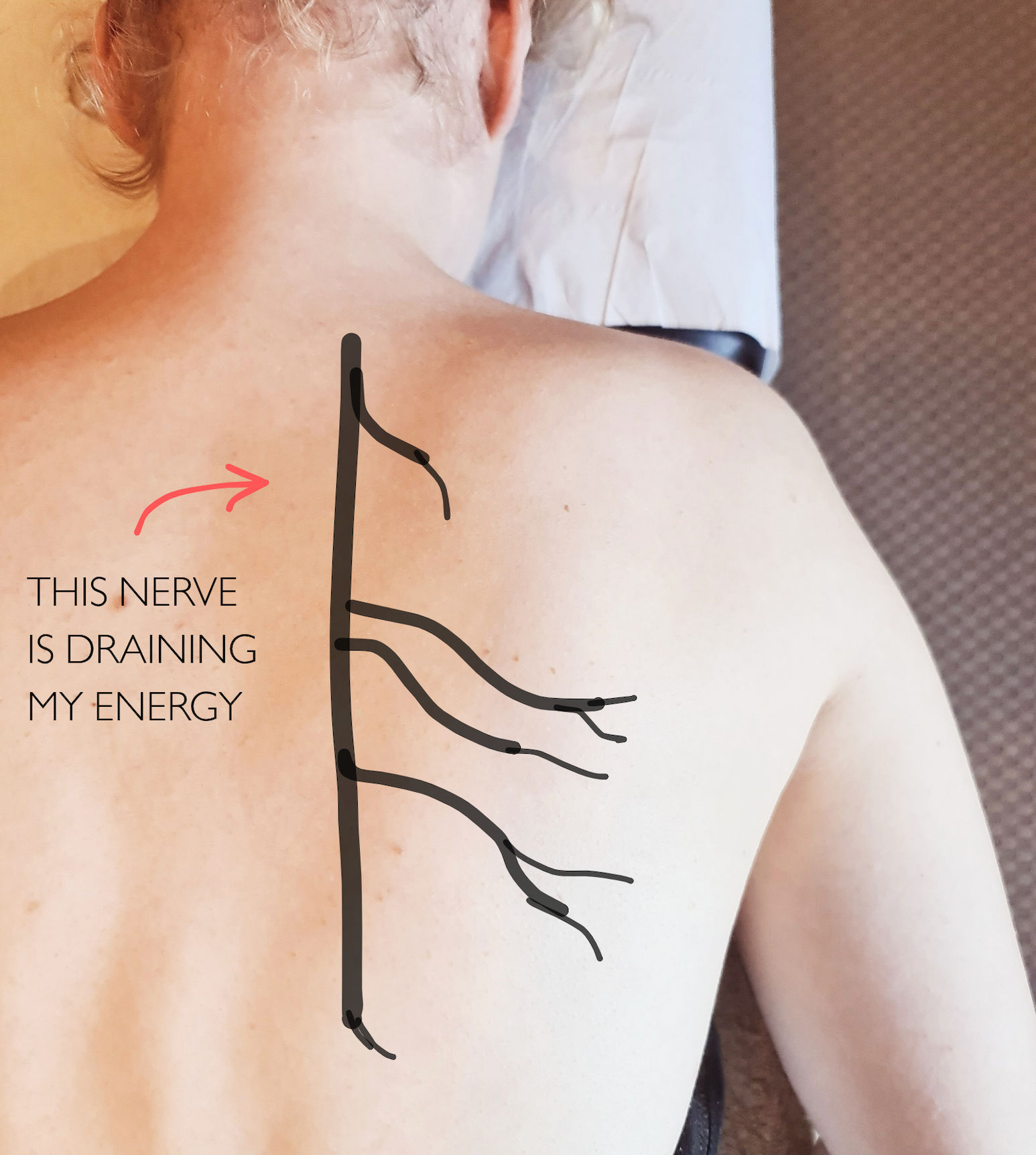
Modern life is inherently busy, and we don’t get as many opportunities in a day to slow down, relax and let ourselves naturally activate the vagus nerve. As a result, ongoing stress can reduce vagal activity, disrupting digestion and nutrient absorption, making it harder for your body to heal.
Consequently, you may develop dysfunction in the joints and muscles, perhaps as a result of a desk-based job or sporting injury. Pain and stress feed each other. When you’re hurting, your body tends to stay in a low-level ‘fight or flight’ state: shoulders creep up, breathing becomes shallow, and muscles guard around the sore area. That guarding can keep pain going even after the original irritation has settled.
Although we can get used to living in a stressed state – and survive, we want you to thrive! That’s why simple practices that support vagal activity may help promote relaxation, support digestion and nutrient absorption, and encourage a calmer state.
Simple vagal exercises to try
The following exercises are gentle and suitable for most people. To get started, practise them for a few minutes, once or twice a day.
1. Breathing techniques to calm your nervous system
Slow, extended exhale breathing. Breathe in through your nose for a count of four, then breathe out slowly through pursed lips for a count of six to eight. A longer exhale may help slow your heart rate and promote relaxation. Let your belly rise as you inhale, rather than lifting your chest.
The long sigh. Breathe in, take a second small sip of air, then let out a long, noisy sigh. This breathing technique can help release tension quickly.
2. Humming and throat exercises
Humming, gentle singing and laughing. The vagus nerve has connections with muscles involved in voice production and swallowing. Try a low, steady hum on each exhale for a minute or two. You can also try saying “VOOO” as you breathe out, allowing your lips to vibrate gently.
Gargling. Gargle water for around 30 seconds to engage the muscles at the back of your throat, some of which receive signals from the vagus nerve.
3. Gentle eye and neck movements
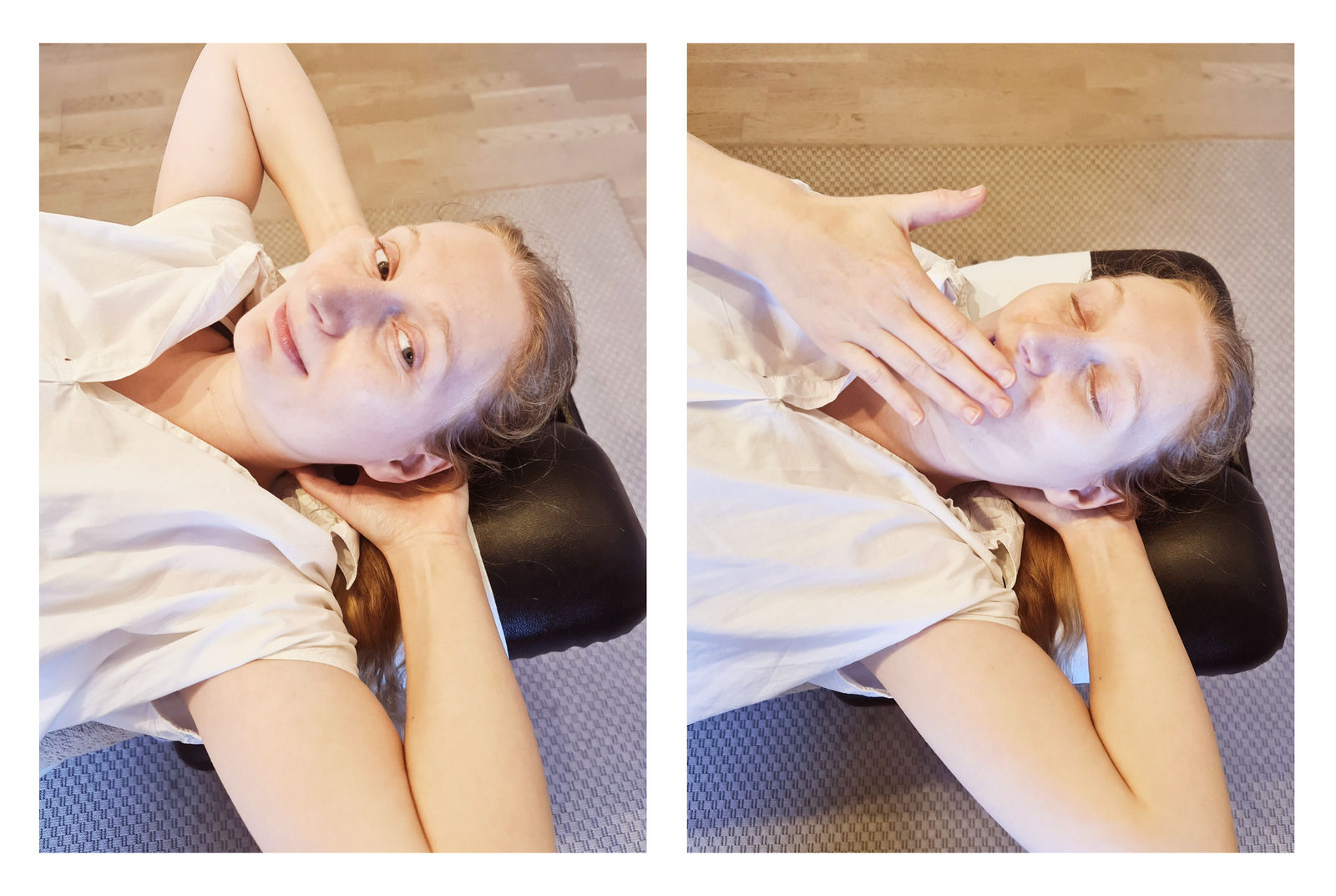
Gentle eye and neck mobility. Sit comfortably or, even better, lie down. Clasp your hands behind your head and, keeping your head still, turn your eyes to one side for up to 30 seconds, or until you naturally yawn or sigh. Then repeat on the other side. Add a gentle “hmmm” or “VOOO” sound if you find it relaxing.
4. Abdominal breathing and movement
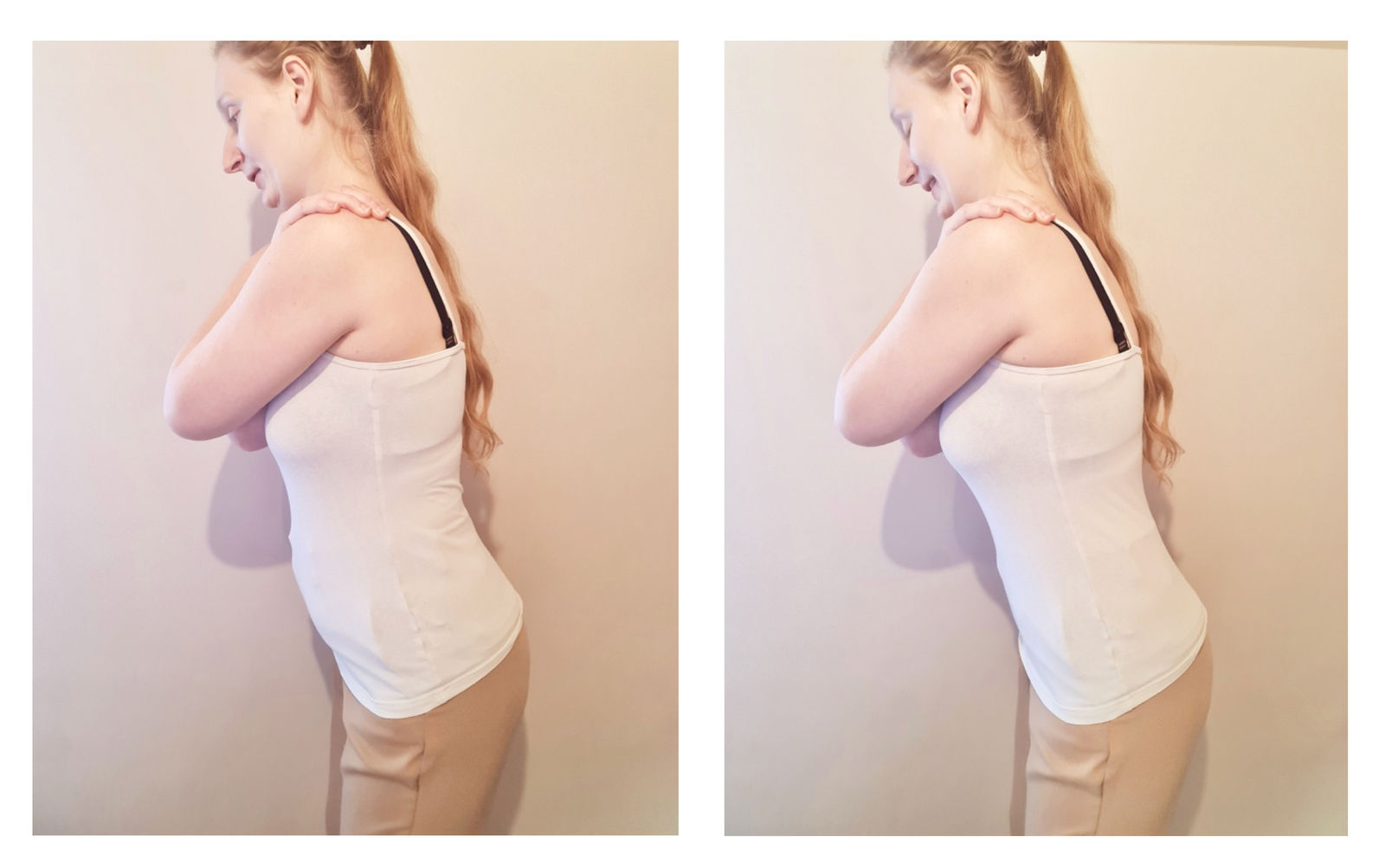
Belly button pump. Stand up and inhale. As you breathe out, bend forward slightly and gently draw your belly in and out while you exhale. Breathe in again and repeat a few times, stopping if you feel dizzy or uncomfortable.
Small daily habits can support recovery
Ultimately, your recovery isn’t just about your spine; it’s about the whole person. Pairing hands-on care with simple practices that help calm your nervous system gives your body the best chance to heal, move well and feel more at ease.
Over time, small daily habits, such as taking a few slow breaths or humming in the car, can add up.
Ready to take the next step?
If you have any questions, feel free to email me at mccoy@tivolichiropractic.co.uk.
You might also like
You can also read our previous blog, Teeth Grinding: How It Can Affect Your Jaw, Head and Neck, to learn more about how tension and stress can affect your body.